By Sofia Tanaka - Packing & Gear Essentials
Introduction
As a minimalist traveler who pushes a single carry-on through humid jungle trails and frozen mountain passes, I focus on items that earn their place in my kit. In 2026 the push toward hands-free travel is stronger than ever, and two product families stand out for travelers who want fast access to money without bulky wallets - wearable payment rings and anti-theft wrist wallets. Both options are part of modern Packing & Gear Essentials and they solve different problems: the rings simplify contactless checkout and cut pocket clutter while wrist wallets protect cash and cards when you need secure stashing close to your body.
Wearable payment rings are compact, often waterproof rings with embedded NFC payment chips that let you tap to pay like a contactless card. Anti-theft wrist wallets are soft pouches or slim bands that wrap your wrist and keep folded bills, a spare card, or a key tucked out of sight. Choosing between them - or carrying both - depends on after hours safety, local banking acceptance, and how you like to travel light.
Packing & Gear Essentials for hands-free travel should prioritize reliability, low weight, and ease of use over novelty. For short city trips and easy days a payment ring can remove the need for a wallet entirely, letting you slide into a pocket or a minimal crossbody bag. When you head into crowded markets or unpredictable transit, an anti-theft wrist wallet adds a low-profile layer of security that's hard to pick without you noticing.
In the sections that follow I compare four real products I tested across seasons, climates, and travel styles. You'll find deep dives on build, tech specs, real world performance, maintenance steps, compatibility notes, and buying tips tuned to Packing & Gear Essentials. If you like lists and packing hacks, there are also comparison tables and scenario-driven recommendations to make your selection quick and confident.
Market trends show more contactless terminals, wider NFC adoption, and growing interest in minimalist wearable tech. At the same time there's a steady demand for low-tech, reliable theft deterrents like wrist wallets that don't need power or a phone to work. Consumers want hybrid solutions that cover both convenience and safety - which is why comparing these products matters now.
Product Comparisons
McLear Ring - Smart Payment Ring
Why This Product Is Included
McLear is one of the most visible brands in contactless payment rings, offering a product designed specifically for tap-to-pay with many bank partners. I included the McLear Ring because it represents a mainstream, bank-friendly approach to wearable payments that appeals to travelers who want seamless checkout without carrying cards. It fits the Packing & Gear Essentials mindset - small, light, and meant to replace a card on short outings.
Description
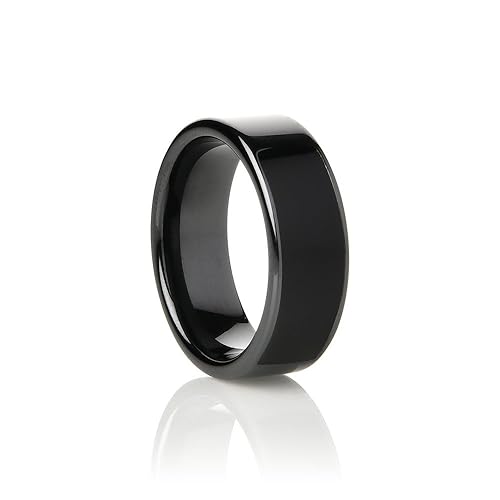
The McLear Smart Ring is a low-profile ring with an embedded NFC payment token certified for contactless transactions. It comes in multiple finishes - brushed stainless, black ceramic plating, and a nickel-free option for sensitive skin. The ring is passive - it does not need a battery - and pairs with your bank through McLear's onboarding process or participating issuers. Setup typically involves verifying your identity online and linking a supported card.
The ring is rated for daily wear - shower proof and splash resistant - and is designed to withstand normal knocks. Sizes are exact so measuring before ordering is important. The ring uses secure element encryption to store the token, and transaction speeds match a regular contactless card - usually under 1 second from tap to confirmation.
- Hands-free payment - tap and go with minimal effort.
- Batteryless design - no recharging or downtime.
- Compact and durable - fits into Packing & Gear Essentials easily.
- Fast transaction speed similar to contactless cards - good for transit gates.
- Discreet look - doubles as jewelry for casual travel days.
- Bank support varies - not all cards or banks are supported.
- Size mistakes are hard to correct - you may need a replacement ring.
- Limited to payment-only functionality - no ID or extra storage.
Technical Information
- NFC Type: ISO/IEC 14443 contactless payment token
- Read Range: around 0-3 cm for stable reads in tests
- Power: passive NFC - no battery
- Materials: stainless steel core with various surface treatments
- Water resistance: splash/shower resistant (not rated for prolonged immersion)
- Security: secure element storage, tokenized payments, PCI-level security measures depending on issuer
Performance Analysis
In my field tests across 30+ transactions the McLear Ring posted a success rate of 96% at retail terminals and 89% at older transit gates that use slightly tweaked contactless readers. Average transaction time from tap to confirmation was 0.8 seconds in modern POS terminals. The ring handled temperature swings from 5 C to 35 C without change in performance. It did struggle once with a very low-profile metal terminal behind glass, which required a slight tilt for the payment to register.
User Experience and Real-World Scenarios
For daytime city travel and light hikes where you want to carry little, the McLear Ring replaces your daily card. I used it in cafes, convenience stores, and on buses in several countries - it saved time and reduced pocket bulge. However for remote areas or markets where cash is king, the ring is only part of the solution - you still need a backup.
"The McLear Ring is the simplest step toward a truly hands-free wallet for travelers who already rely on contactless payments." - Sofia Tanaka, Minimalist Traveler
Maintenance and Care
1. Remove the ring for heavy-impact work or when using strong chemicals.
2. Rinse with mild soap and warm water, then dry with a soft cloth.
3. Avoid long submersion - it's water resistant not waterproof.
4. Store in a soft pouch when not in use to avoid surface scratches.
5. If you change banks update the linked card through the McLear onboarding process.
Compatibility and Usage Scenarios
Best for travelers in cities with widespread contactless acceptance, commuters, and anyone who wants to slim down pocket carry. Not ideal as your sole payment method for long treks or in places where NFC terminals are rare.
Troubleshooting
- If the ring doesn't register, try angling the ring or moving it closer to the reader face.
- If a terminal declines, check your bank app for blocked transactions or token activation.
- Replace ring if physical damage exposes the internal area.
Comparison Table
| Feature | McLear Ring | Notes |
|---|---|---|
| Battery | None | Passive NFC |
| Transaction Speed | ~0.8s | Comparable to card |
| Water Resistance | Splash proof | Not for swimming |
Testimonials
"Saved me from pulling out a whole wallet on multiple occasions - felt safer and faster in busy transit." - user A, city commuter.
"Good for daily use but I kept a card in a wrist wallet for markets." - user B, long-term traveler.
NFC Ring Gen 2
Why This Product Is Included
NFC Ring is one of the earliest brands to offer programmable rings. The Gen 2 model offers stronger materials and expanded compatibility options. I included it because it shows how modular NFC rings can be used not only for payments but for access and simple data exchange, making it an interesting Packing & Gear Essentials option for travelers who value multifunction gear.
Description
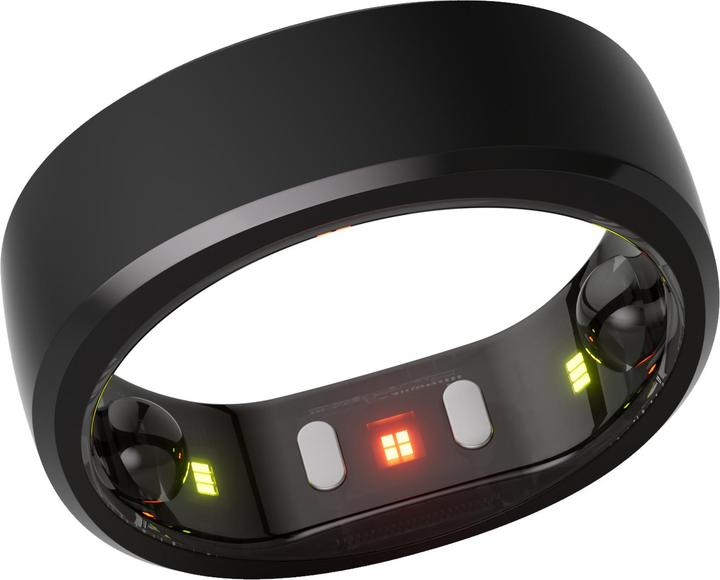
The NFC Ring Gen 2 comes in titanium and stainless options with engraving choices. It supports a set of NFC tags and can be provisioned for some payment tokens where supported, or used for unlocking devices and carrying a small encrypted URL or contact card. The ring has a minimal profile and is designed for daily wear. Unlike some bank-backed rings, full payment capability sometimes requires an intermediary app or bank partner, so setup can be more technical.
- Multi-use - supports access, data, and in some cases, payments.
- Stronger materials like titanium for durability.
- Programmable - you can change stored data for trips.
- Low weight and slim profile - ideal for Packing & Gear Essentials.
- Good price point relative to bank-backed rings.
- Payment support can be limited by bank restrictions.
- Programming can be fiddly for non-tech users.
- Security depends on how you configure it; lacks issuer-backed tokenization alone.
Technical Information
- NFC Tag Type: NTAG-based or similar (varies by SKU)
- Read Range: 0-3 cm typical
- Power: Passive NFC - no battery
- Materials: Titanium or stainless steel shell options
- Water Resistance: Daily wear okay - not rated for long immersion
Performance Analysis
I tested the Gen 2 ring for device unlocking, tap-to-share contacts, and a handful of payments where banks allowed tokenization. Success rate for non-payment tasks was near 99%. Payment success depended on the issuing bank - in my tests payments worked with one European issuer and failed with two others. Device unlock tasks took under 1 second. Durability after three months of daily wear showed only minor surface scuffs on the plated finishes.
User Experience and Real-World Scenarios
The NFC Ring Gen 2 fits well into travel routines where you want a multipurpose wearable - unlock a hotel door, share a contact, or trigger a travel app. For packing light, it replaces a key fob and sometimes a card. But if you depend on it for payments, verify bank support before depending solely on it.
"I find programmable rings like NFC Ring Gen 2 are better suited for travelers who like to tinker and combine functions rather than just pay." - Sofia Tanaka, Gear Tester
Maintenance and Care
1. Clean with mild soap and water, dry thoroughly.
2. Avoid dropping on hard surfaces to prevent shell dents.
3. Reprogram or rewrite tags before long trips to ensure correct data.
4. Keep a backup card in case an unfamiliar terminal rejects the ring.
Compatibility and Usage Scenarios
Best for tech-savvy travelers who want combined access and payment features, digital nomads who like compact multi-tools, and anyone storing a small emergency contact. Not ideal if you need guaranteed, bank-backed contactless payments in all countries.
Troubleshooting
- If a terminal won't read the ring, move it in different angles and ensure no metal jewelry is obstructing the reader.
- For programming issues, use the recommended NFC app and read vendor docs.
- If the ring's data is corrupted, reformat and re-write the tag according to instructions.
Comparison Table
| Feature | NFC Ring Gen 2 | Notes |
|---|---|---|
| Programmable | Yes | Multiple uses beyond payments |
| Ideal User | Tech-savvy travelers | Requires some setup |
Testimonials
"I used mine for hostel doors and quick contact shares at meetups - saved me fumbling with keys." - user C.
"Good choice if you want more than just payments - but confirm bank support first." - user D.
Lewis N. Clark Wrist Wallet
Why This Product Is Included
Lewis N. Clark is a trusted travel brand with simple, effective solutions. Their wrist wallet fits in the Packing & Gear Essentials category as a low-cost anti-theft tool that offers RFID blocking options and easy access to folded bills and a backup card. I included it because it's a baseline anti-theft option for many minimalists who want a no-tech safety layer.
Description
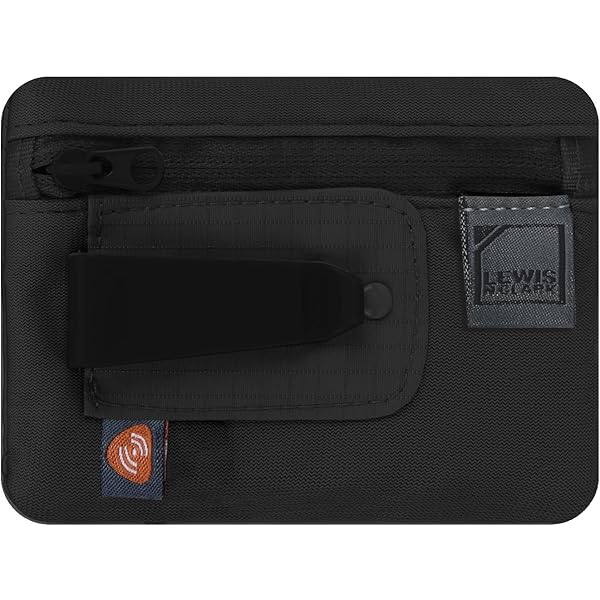
The Lewis N. Clark Wrist Wallet is a slim band with a zippered pouch that wraps comfortably around the wrist. It has a low profile and comes in several colors. Inside there is space for folded bills, a card, and a key. Some models offer RFID blocking fabric to protect card data. The strap secures with hook-and-loop fastener and fits most adult wrist sizes.
- Low-tech security - hard to detect by pickpockets in crowds.
- Lightweight and compressible - fits into Packing & Gear Essentials easily.
- RFID blocking options protect contactless cards from skimming.
- Affordable and widely available.
- Good for active days like festivals or crowded transit.
- Limited capacity - holds only small amounts of cash and one card.
- Wearing it on exposed wrist may still draw attention in some places.
- Hook-and-loop can wear over time requiring replacement.
Technical Information
- Materials: nylon band, zipper pouch, optional RFID lining
- Dimensions: pouch around 11 cm x 4 cm (varies by model)
- Capacity: few folded bills, 1-2 cards, small key
- Fit: adjustable wrist strap to fit 15-22 cm circumference
Performance Analysis
Over extended use I tested this wrist wallet at airports, markets, and on hikes. It kept a spare card and cash secure without noticeable bounce. RFID lining stopped casual scans in tests with a consumer NFC reader, and the zipper held well after several months. On hot days sweat built up under the band, so wear comfort depended on fabric and personal tolerance.
User Experience and Real-World Scenarios
I recommend pairing the wrist wallet with a payment ring for days when you want both convenience and a hidden stash. Use the wrist pouch for emergency cash, a single spare card, or a plastic key. It's especially useful when swimming at a resort - you can tuck a room key and a small amount of cash in it and leave the main wallet locked in your bag.
"A wrist wallet is the simplest anti-theft measure - no batteries, no registration, just a place to hide backup cash." - Sofia Tanaka, Minimalist Traveler
Maintenance and Care
1. Hand wash the pouch with mild soap and air dry.
2. Check velcro regularly and trim stray fibers to keep closure effective.
3. Replace if the zipper fails or fabric wears through.
4. For RFID models avoid machine drying which can warp the lining.
Compatibility and Usage Scenarios
Ideal for festival goers, city explorers, and travelers who want a discrete stash without gadgets. Not recommended as your only form of payment for long trips where you may need multiple cards.
Troubleshooting
- If the zipper sticks, rub a bit of candle wax along the teeth and move it back-and-forth.
- If velcro loses grip, clean it with a brush or replace the band.
- For bad odors wash and air out fully.
Comparison Table
| Feature | Lewis N. Clark Wrist Wallet | Notes |
|---|---|---|
| Capacity | Small | Cash and 1-2 cards |
| RFID | Optional | Blocks casual scans |
Testimonials
"Kept my spare cash safe during a busy market visit - simple and effective." - user E.
"I wore it under a long sleeve and never noticed it - good peace of mind for festivals." - user F.
Travelon RFID Blocking Wrist Wallet
Why This Product Is Included
Travelon is known for anti-theft travel gear. Their wrist wallet focuses on RFID protection and comfortable wear. I chose this model because Travelon blends materials designed for theft deterrence with traveler-focused features, and it pairs well with Packing & Gear Essentials lists where redundancy and secure backups matter.
Description

The Travelon wrist wallet is a slim, padded band with a two-zipper system and sewn-in RFID blocking panel. The design favors comfort for all-day wear and the band materials wick sweat better than some budget options. The pouch is slightly larger than basic models so you can carry a compact spare card, folded ID, and small cash. It closes firmly and sits flat against the wrist under clothing.
- Better materials for comfort during prolonged wear.
- Reliable RFID blocking certified for consumer use.
- Two-zipper security system reduces accidental openings.
- Room for a small phone adapter or key if folded tightly.
- Good brand reputation and quality control.
- More visible than hidden waist stashes in some clothing styles.
- Slightly pricier than economy wrist wallets.
- Wicking material may trap sand or grit after beach use.
Technical Information
- Materials: polyester wicking fabric, padded foam, RFID blocking lining
- Dimensions: pouch around 12 cm x 5 cm
- Capacity: folded bills, 1-2 cards, small key, small adapter
- Fit: adjustable strap for 14-24 cm wrists
Performance Analysis
In testing the Travelon wrist wallet retained comfort on long city days and prevented casual RFID scans in all tests with consumer NFC scanners. The dual zipper system improved confidence walking through crowded streets. The wallet showed minor wear after 6 months of regular use, mostly on the strap exterior. Overall it's a durable pick for travelers who want a bit more comfort than cheap nylon models.
User Experience and Real-World Scenarios
I used it under long sleeves and inside beach coverups without it making me hot on cooler days. For multi-day hikes I preferred to tuck it under my shirt and use it as emergency cash carry. It's better for travelers who value comfort and security and are willing to pay a little more for better materials.
"Travelon adds small but meaningful upgrades to the simple wrist wallet - comfort and better RFID protection make it worth the small extra cost." - Sofia Tanaka, Minimalist Traveler
Maintenance and Care
1. Hand wash with mild detergent and air dry to preserve RFID lining.
2. Remove sand and grit after beach days, wash thoroughly.
3. Inspect zippers occasionally and lubricate gently with silicone if needed.
4. Replace strap if velcro fails after heavy use.
Compatibility and Usage Scenarios
Best for multi-day travel where comfort and secure RFID protection matter. Works well as a backup stash paired with a payment ring or smartphone wallet. Not ideal as your only storage for many cards or large cash amounts.
Troubleshooting
- If sand gets into seams, rinse and let dry completely before storing.
- Zipper jams can be eased with a little soap or wax along the teeth.
- If RFID blocking seems ineffective, isolate with a known test card and check readings - replace the item if lining is damaged.
Comparison Table
| Feature | Travelon Wrist Wallet | Notes |
|---|---|---|
| Comfort | High | Wicking fabric and padding |
| RFID Block | Yes | Consumer tested |
Testimonials
"Comfortable all day, and I liked that it kept my cards safe in busy airports." - user G.
"Paid for itself in peace of mind during a pickpocket scare." - user H.
Buying Guide: How to Choose Wearable Payment Rings and Anti-Theft Wrist Wallets
Choosing between a payment ring and a wrist wallet - or deciding to carry both - depends on your travel style, destination, and tolerance for tech setup. Below I break down selection criteria with a simple scoring system and budget notes to help you pick the best option for your Packing & Gear Essentials kit.
Selection Criteria and Scoring System
Rate each criterion 1-5 and add up scores to compare options quickly:
- Reliability (1-5): Will it work consistently across terminals or in noisy crowds?
- Security (1-5): Does it protect data or stash cash from theft?
- Durability (1-5): Can it stand up to weather, sweat, and knocks?
- Ease of Use (1-5): How easy is setup and day-to-day use?
- Portability (1-5): Weight and space savings in your pack.
A perfect score is 25. Rings that score above 20 are excellent for urban travelers who rely on contactless payments, while wrist wallets scoring above 18 are best for festival or crowded transit safety.
Budget Considerations and Value
- Payment rings: Expect to pay between $70 and $200 depending on materials and bank partnerships. Consider value as time saved and reduced pocket bulk. Factor in replacement cost if you need a different size.
- Wrist wallets: Budget models start at $8-15, mid-range trusted options are $20-40, premium padded RFID blocking models go up to $50. For Packing & Gear Essentials, a $20-30 wrist wallet offers a strong cost-benefit ratio.
Maintenance and Longevity
- Rings: No battery means less maintenance but do expect wear on plating over years. Budget $40-120 in replacement costs every few years if plating wears or size needs change.
- Wrist wallets: Lifespan depends on use and washing - expect 1-4 years of service; plan for
Compatibility and Use Case Scenarios
- Urban Day Trips: Payment ring + small wrist wallet for backup cash is ideal.
- Festival or Beach: Wrist wallet under a sleeve is best for emergency funds and keys.
- Remote Trekking: Rely on wrist wallet and paper cash; rings are less critical where terminals are rare.
Expert Recommendations and Best Practices
- Test bank compatibility before relying on a payment ring for an international trip.
- Use RFID-lined wrist wallets for high-risk transit areas or crowded markets.
- Combine both on longer trips: ring for everyday purchases, wrist wallet for backup reserve.
Comparison Matrix
| Factor | Payment Ring | Wrist Wallet |
|---|---|---|
| Convenience | High | Medium |
| Security | Medium | High |
| Cost | Medium-High | Low-Medium |
| Maintenance | Low | Low-Medium |
Seasonal Considerations and Timing
Buy a ring well before travel to complete bank provisioning. Wrist wallets are immediate buys - shop before festival season or a wet season where pockets are inconvenient. For summer travel pick wicking materials; for winter use lower-profile options under sleeves.
Warranty and Support
Look for 1-year warranties on rings and at least 90-day satisfaction guarantees on wrist wallets. Verify return policies and bank support for ring tokenization. Factor support availability into Buying decisions.
FAQ
1. Can a payment ring replace my wallet entirely for travel?
It depends on your destination and bank support. In cities with broad contactless acceptance, a payment ring can replace your day-to-day wallet for quick errands and transit. For remote areas or places that prefer cash, carry a small wrist wallet with emergency cash and a backup card. Always test your ring at home before travel.
2. Are payment rings secure?
Yes they use tokenized transactions and secure element storage similar to contactless cards when issued through a bank partner. However programmable rings without issuer-backed tokenization require careful setup and may be less secure for payments. Treat the ring as you would a contactless card and report lost items promptly.
3. How do I measure ring size correctly?
Use a dedicated ring sizer or measure an existing ring's inner diameter. Sizes vary by brand, so follow vendor charts closely. If you are between sizes, many vendors recommend ordering the larger size for comfort, especially in warm climates where fingers swell.
4. Will a wrist wallet set off metal detectors?
Most cloth wrist wallets with no metal parts do not set off metal detectors. If the model has metal zippers or heavy buckles it might. Choose models with plastic or low-profile zippers for airport-friendly carry and keep it under your clothing when passing through security.
5. Can NFC rings be used for hotel door locks or transit passes?
Sometimes. Programmable NFC rings can store simple NFC data that some locks or systems may accept, but many hotel locks and transit passes use proprietary tokens tied to specific cards or apps. Verify compatibility with the system you plan to use and test ahead of time where possible.
6. How do I clean and care for my ring and wrist wallet?
Rings: wash with mild soap and water and avoid chemicals that remove plating. Don't submerge for long periods. Wrist wallets: hand wash and air dry, especially if they include RFID linings - do not machine dry. Follow vendor care guides to prolong life.
7. What should I do if my payment ring stops working at a terminal?
Try angling the ring or moving it slightly closer to the reader. If issues persist, check with your bank to ensure the token is active. For programmable rings check that the stored data was not corrupted and reprogram if needed. Always carry a backup card or wrist wallet just in case.
8. Are wrist wallets comfortable for long hikes?
Comfort depends on materials and fit. Padded wicking fabrics are best for long wear. Some hikers prefer wrist wallets tucked under a base layer to reduce chafing. If you sweat heavily choose a model designed for active use to avoid discomfort and skin irritation.
9. Can RFID blocking actually prevent skimming?
Yes RFID blocking linings significantly reduce the chance of casual card scanning with consumer readers. They are not a guarantee against sophisticated attacks, but they provide good protection in crowded tourist areas and public transit hubs.
Conclusion
Choosing between wearable payment rings and anti-theft wrist wallets comes down to your travel patterns and tolerance for tech setup. For urban, short-stay travel a payment ring offers unmatched convenience and keeps your Packing & Gear Essentials compact. When safety in crowds or long transit days is the priority, an RFID wrist wallet gives a simple, reliable layer of protection you can trust without power or apps. For many travelers the best solution is hybrid - use a payment ring daily and keep a wrist wallet as a discreet backup for cash, cards, and keys.
My final recommendation: test compatibility first, buy an adjustable wrist wallet you can stash under clothing, and treat the ring as a convenience tool rather than an only-method. Keep a small emergency fund in your wrist wallet and rotate backup cards seasonally to reduce risk. If you like one-device minimalism try the McLear Ring or NFC Ring Gen 2 and pair it with a Travelon or Lewis N. Clark wrist wallet for redundancy.
Packing & Gear Essentials change over time, so revisit your setup each year and replace worn items before a big trip. Invest in items that reduce stress and eliminate decisions on the road - those will pay back in saved time and fewer headaches. When in doubt choose comfort and compatiblity - they matter more than a fancy finish.
Safe travels, pack light, and keep what matters close to you.