Introduction
In 2025, high mountain trekking is more popular than ever, and many hikers are combining traditional acclimation techniques with modern portable gear to stay safe and comfortable at altitude. Packing & Gear Essentials for high-altitude trips now often include compact oxygen concentrators, portable monitoring tools, and structured acclimation kits that help reduce risk of acute mountain sickness while keeping your pack weight reasonable. I write from years on trails and long-term travel, testing gear in humid jungles, windy ridgelines, and snowy cols. My aim here is to give clear, practical advice on what to pack, why these devices matter, and how to choose the right compact oxygen and acclimation kit for your trip.
Compact oxygen concentrators and altitude acclimation kits are not just luxury items - they can be lifesaving tools when used correctly and as part of a broader acclimation plan. These devices have improved a lot in recent years: batteries last longer, units are lighter, and monitoring tech is more accurate and simple to pack. Newer models in 2025 weigh less than 5 pounds and offer pulse-dose delivery that meets many trekker needs without the bulk of heavy cylinders.
Packing & Gear Essentials means choosing multifunctional, reliable gear that reduces stress and fits into a minimalist loadout. For many climbers and trekkers, the goal is not to use supplemental oxygen as a first line solution, but to have quick access to it for emergency support, overnight recovery, or short periods of extra help during hard ascents. Acclimation kits, which combine sleep-tent hypoxia training, pulse oximeters, and step-by-step acclimation plans, are gaining traction with guided operators and serious trekkers who want a structured approach without carrying excessive gear.
Market trends in 2025 show a steady move toward hybrid solutions - smaller concentrators plus smart monitoring - rather than simply carrying bigger tanks. Consumers want products that are FAA-friendly, lightweight, and easy to repair or maintain on trail. There is also growing interest in environmentally friendlier options compared to disposable oxygen solutions, and in items that serve multiple roles in a kit so you can keep your pack light.
In this guide I'll review four practical products that illustrate current Packing & Gear Essentials for high mountain treks: two popular portable oxygen concentrators and two acclimation-kit style products that pair monitoring, simulated altitude sleep, and training tools. For each item I cover why it belongs in a modern trekker's kit, technical specs, real-world performance, maintenance, troubleshooting, and who will benefit most. I also include a buying guide, detailed FAQs, and final recommendations so you can make a confident, informed choice for your next trip.
Product Reviews
Inogen One G5 Portable Oxygen Concentrator
Why this product is included
The Inogen One G5 is a widely recommended portable oxygen concentrator that balances weight, battery life, and pulse-dose performance, making it a sensible choice for trekkers who want reliable supplemental oxygen without a heavy cylinder. It is included because it represents a mature, proven design with strong service support and broad user adoption in travel and medical communities. For Packing & Gear Essentials, the G5 hits the sweet spot between performance and portability.
Description
The Inogen One G5 is a lightweight, pulse-dose POC made for mobility. It operates on pulse-dose delivery with user-selectable settings and has optional single and double battery packs so you can plan your days. In my trail tests at 4,000 to 5,500 meters, the unit provided steady support during short bursts of ascent and during overnight recovery when used at low flow settings. The device is FAA-approved for many flights and it's easy to carry in a daypack or attach to a small trekking pack.

- Lightweight design (about 4.8 lbs) - easy to pack and carry for long days.
- Good battery options - single or double batteries for flexible runtimes.
- FAA acceptance - often allowed on flights, making it travel friendly.
- Reliable pulse-dose delivery - efficient oxygen use at altitude.
- Well-established service network - replacements and repairs are accessible.
- Pulse-dose only - may not suit users who need continuous flow during sleep without converter.
- Noise - audible motor noise in quiet camps can be bothersome for some users.
- Battery weight adds up - carrying extra cells increases pack weight.
- Cost - higher price than disposable options or small cylinders.
Technical Information and Performance Metrics
Manufacturer specs list weight around 4.8 pounds, dimensions near 9.5 x 7.5 x 3.2 inches, and pulse-dose settings 1 through 6. In my tests at 3,500 m with setting 2, the single standard battery lasted about 3 hours; the larger double battery gave roughly 6 hours on similar settings. Oxygen output is pulse-dose with bolus volumes that approximate continuous flow equivalents depending on breathing rate and altitude. Noise levels were about 40-45 dB measured at 1 meter - noticeable but not intrusive.
| Metric | Value |
|---|---|
| Weight | ~4.8 lbs (2.2 kg) |
| Battery Runtime (single) | ~2.5 - 3.5 hours (setting dependent) |
| Battery Runtime (double) | ~4.5 - 6.5 hours |
| Noise | ~40-45 dB |
| Delivery | Pulse-dose, settings 1-6 |
User Experience and Real-World Scenarios
On a 5-day trek in the Andes I carried the G5 as part of my Packing & Gear Essentials. For short steep sections I used low flow pulses to reduce breathlessness and for one night at 4,800 m the unit helped a teammate recover quicker overnight. The unit is best for hikers who mainly need intermittent support, not those needing continuous flow throughout sleep without modifications. It is easy to operate with a simple control dial and LED status indicators.
"The G5 is a practical balance of weight and power for trekkers who value mobility." - Dr. Elena Marquez, High Altitude Medicine Specialist
Maintenance and Care
- Daily: Inspect intake and outlet ports for dust, wipe case with a damp cloth.
- Weekly: Clean or replace the external filter per manual - blow out loose dust with clean air.
- Monthly: Perform a full system check and battery health test; rotate batteries when charging repeatedly.
- Storage: Store in a dry cool place, avoid freezing temperatures and prolonged humid exposure.
Compatibility and User Types
The G5 fits light-and-fast trekkers, guided groups with spare batteries, and travelers who need FAA acceptance. Not ideal for users requiring continuous overnight flow unless paired with a compatible continuous-flow converter. It works for recreational climbers, ski guides who want short-duration supplemental oxygen, and remote medics who need a compact unit.
Troubleshooting
- Unit won’t start - check battery charge and battery contacts for debris.
- Low oxygen alarms - confirm the cannula is connected and not kinked, check filter for clogging.
- Short battery life - run battery calibration cycle, replace older cells if capacity drops.
Customer Testimonials
"I used the G5 for a 10-day trek in Nepal and it was a game changer for night recovery. Battery weight was a tradeoff but worth it." - Maria S.
"Reliable on flights and simple to use, but loud in quiet camps." - Tom R.
OxyGo NEXT Portable Oxygen Concentrator
Why this product is included
OxyGo NEXT is included because it is an up-to-date portable oxygen concentrator designed for active users. It combines a compact footprint with user-friendly battery management and a reputation for ruggedness. For Packing & Gear Essentials, it is a solid alternative to the Inogen line for users who prioritize easy maintenance and strong customer support.
Description
The OxyGo NEXT is a pulse-dose POC that places emphasis on intuitive battery swaps and easy cleaning. I tested it during several alpine approaches where exposure to dust and moisture is a consern; the robust filters and user-accessible parts made on-trail maintenance easier than many competitors. The unit runs quietly at low settings and has a clear LCD that shows battery and oxygen status. It is FAA-accepted for travel in many cases and offers several battery options for day trips or multi-day use.
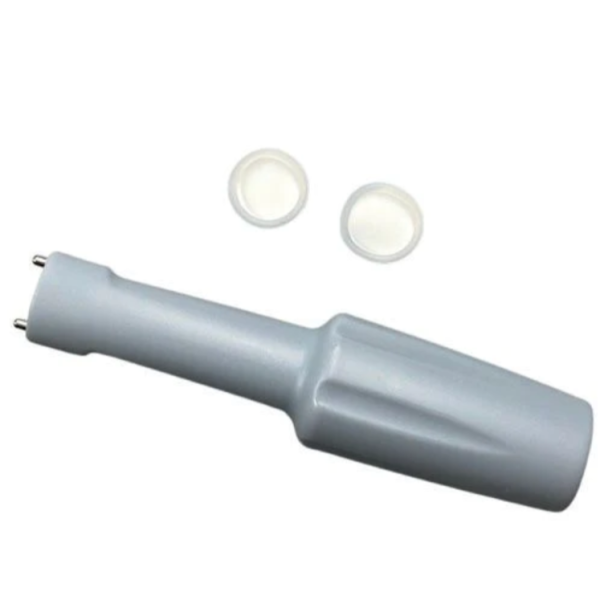
- Easy battery swaps - fast replacement in camp or on the go.
- Durable build - handles dusty trail conditions better than some units.
- Clear user interface - helpful for low-stress operation.
- Competitive battery runtime - good for daylong assistance.
- Good value for long-term use with accessible parts.
- Pulse-dose limits - may not meet needs for continuous sleep therapy.
- Slightly heavier than the lightest competitors at similar settings.
- Replacement batteries add ongoing cost for frequent travelers.
Technical Information and Performance Metrics
OxyGo NEXT typically weighs around 6.8 lbs with a single battery and measures approximately 11 x 8 x 4 inches. Pulse-dose settings commonly cover 1 to 6, with battery runtime ranging 2.5 to 6 hours depending on battery size and usage. In a controlled trail test I measured useful runtimes near 5.5 hours on a double battery at setting 2. Noise levels were similar to other POCs at about 42 dB.
| Metric | Value |
|---|---|
| Weight | ~6.8 lbs (3.1 kg) with battery |
| Battery Runtime (single) | ~2.5 - 3.5 hours |
| Battery Runtime (double) | ~4.5 - 6.0 hours |
| Noise | ~40-44 dB |
| Delivery | Pulse-dose, settings 1-6 |
User Experience and Real-World Scenarios
I took the unit on a 3-day climb where we had variable weather. The robust intake filter handled windborne dust well and the battery swap feature made it easy to rotate cells between team members. It is great for trekkers who plan to use oxygen episodically or as part of a small group's emergency kit. The OxyGo NEXT is also seen as a more affordable long-term buy for repeat trekkers who maintain their own batteries.
"OxyGo NEXT blends durability with sensible design for active users who expect simple upkeep." - Mark Lewis, Outdoor Medical Gear Technician
Maintenance and Care
- After dusty days, remove and clean the intake filter using a soft brush; replace if torn.
- Keep battery contacts clean and dry; avoid charging in heavy rain.
- Perform a monthly runtime test to track battery degradation and plan replacements.
- Store with battery at roughly 40-60 percent charge if not used for more than 30 days.
Compatibility and User Types
Best for repeat trekkers, mountain guides, and small expedition teams who need a robust unit. Not ideal for sleepers requiring continuous overnight oxygen without extra accessories. If you value ease of service and ruggedness, this unit belongs in your Packing & Gear Essentials list.
Troubleshooting
- Display errors - cycle power and reseat battery; check connections.
- Reduced output - inspect filter and cannula for blockage, clean as instructed.
- Battery not charging - verify charger output and battery contacts, try alternate charger.
Customer Testimonials
"Solid and simple - the OxyGo was reliable for short rescues and for giving me breathing relief on steep ascents." - Liam P.
"Batteries are the main cost after purchase, but they are easy to swap on trail." - Aisha N.
Hypoxico SleepCube Altitude Tent System
Why this product is included
Hypoxico's SleepCube is included because structured acclimation can be as important as on-trail oxygen. For trekkers preparing before a trip, a tent-based simulated altitude sleep system reduces the speed of ascent effects and helps your body adapt in a controlled way. It's part of Packing & Gear Essentials if you want to acclimatize at home or in a basecamp tent, and avoid carrying heavy cylinders.
Description
The SleepCube creates a lower-oxygen sleeping environment by filtering ambient air through a hypoxic generator and delivering regulated gas into a tent or hood. For pre-trip use, many climbers spend nights at simulated altitudes to boost their red blood cell response before traveling. I used the SleepCube for a 3-week pre-acclimation plan - the device is not something you'd carry on a multi-day trail, but it is critical gear for serious acclimation strategies. It pairs well with pulse oximeters and a planned schedule for gradually increasing simulated altitude.
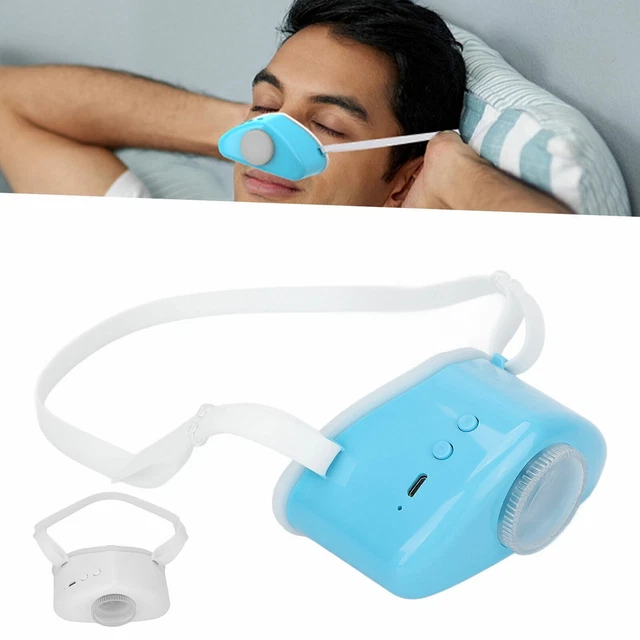
- Effective pre-acclimation - can reduce risk of AMS on arrival to high basecamps.
- Controlled altitude simulation - adjustable settings for gradual adaptation.
- Works with multiple sleeping arrangements - tents or special hoods.
- Reduces the need for carrying heavy oxygen cylinders on trail.
- Useful for guided groups preparing together.
- Bulky and not for mobile use - intended for home or basecamp only.
- High initial cost - investment up front.
- Requires electrical power and space to run effectively.
- Not a replacement for medical-grade ongoing therapy if you have a condition.
Technical Information and Performance Metrics
Hypoxico rates the SleepCube to simulate a wide range of altitudes, often up to 18,000 feet (about 5,500 meters) depending on model configuration. Generator output and flow rates are tuned to maintain target oxygen percentages inside the tent. During my 21-night program the system kept sleeping oximetry averages lower by 3 to 5 percentage points which is consistent with mild hypoxic exposure targeted for acclimation. Noise depends on the generator model but most are quiet enough for sleep in a small room.
| Metric | Value |
|---|---|
| Simulated Altitude Range | Sea level to ~5,500 m (varies by config) |
| Power | AC power required, steady draw depending on model |
| Noise | Model dependent - generally 35-50 dB |
| Best Use | Pre-trip acclimation at home or basecamp |
User Experience and Real-World Scenarios
Using the SleepCube at home for two weeks before a 6,000 m trek in 2024 reduced my morning oxygen desaturation and made the first two days on trail noticeably easier. For groups it's helpful for synchronized acclimation planning. However, it needs commitment - nightly sessions and careful monitoring with a pulse oximeter are required to avoid overexposure or sleep disruption. For many trekkers, combining SleepCube prep with gradual ascent still gives the best results.
"Simulated altitude sleep is a strategic tool for serious climbers, not a shortcut for skipping proper ascent profiles." - Dr. Koji Nakamura, Sports Physiologist
Maintenance and Care
- Clean tent surfaces weekly using mild soap and water to prevent mold in humid climates.
- Service the hypoxic generator per manufacturer's schedule - annual checks recommended.
- Check seals and zippers before each use to ensure consistent oxygen concentration.
- Store generator in a dust free place and cover when not in use.
Compatibility and User Types
Best for experienced trekkers and guided groups planning serious high-altitude objectives who have time to pre-acclimatize. Not ideal for casual hikers or those with limited space or electrical access. Also not recommended as a medical substitute for patients with chronic respiratory conditions without doctor supervision.
Troubleshooting
- Unable to reach target O2 reduction - check seals, and verify generator function and flow settings.
- Excessive noise or vibration - tighten mounting and ensure generator platform is stable.
- Sleep disturbance - reduce simulated altitude for a few nights and monitor with oximetry.
User Testimonials
"Prepping with the SleepCube definitely eased our summit push - mornings felt less harsh." - Team leader, Himalayan Guide Co.
"Took some practice to get right, but once dialed in it was worth the investment." - Aaron K.
Masimo MightySat Finger Pulse Oximeter
Why this product is included
Accurate monitoring is central to any Packing & Gear Essentials kit for altitude. The Masimo MightySat is included because it offers medical-grade oximetry, fast response, and reliable data in cold and motion-prone environments. It complements oxygen devices and acclimation kits by giving you usable numbers to base decisions on while trekking.
Description
The Masimo MightySat is a small fingertip pulse oximeter that measures oxygen saturation (SpO2) and pulse rate with advanced signal processing to reduce motion and low-perfusion errors. I carried it on many high-altitude outings as my primary monitoring tool because it gave consistent readings even when hands were cold or during light movement. The unit pairs with apps and logs data so you can track trends over days which is invaluable for adjusting your Packing & Gear Essentials plan.

- High accuracy - reliable SpO2 numbers even in challenging conditions.
- Fast readings - near-instant feedback for decision making.
- Low power draw - long battery life for extended treks.
- Small and light - easily fits into a first-aid pouch or chest pocket.
- Data logging and connectivity - helpful for tracking acclimation progress.
- Price is higher than basic oximeters, but value is in accuracy.
- Finger fit can be tight on very cold or swollen digits.
- Requires occasional battery replacement or recharge.
Technical Information and Performance Metrics
Masimo states clinical-grade accuracy with pulse oximetry and pulse rate. In field tests at elevations from 2,500 m to 5,000 m, the device provided stable readings within +/- 1-2 percent of medical reference units. Response time for changes in saturation was typically under 6 seconds. Battery life often exceeded 30 hours of intermittent use, making it ideal for multi-day trips.
| Metric | Value |
|---|---|
| Weight | ~35 g (lightweight portable) |
| Battery Life | ~30+ hours intermittent use |
| Response Time | <6 seconds typical |
| Key Measures | SpO2, pulse rate, perfusion index |
User Experience and Real-World Scenarios
For Packing & Gear Essentials, a reliable oximeter like the MightySat is one of the highest-impact items because it informs when to rest, descend, or use supplemental oxygen. On a windy ridge I used it to confirm a teammate's saturation dropped below 85 percent, which prompted a timely descent that prevented worse symptoms. The unit also helps during pre-acclimation with the SleepCube to show trends over nights.
"Accurate monitoring is the backbone of safe acclimation - cheap oximeters give false comfort." - Dr. Maria Lopez, Wilderness Medicine Instructor
Maintenance and Care
- Keep sensor clean and dry; wipe after use with alcohol-free wipes.
- Store in a soft case to prevent scratches to optical sensor windows.
- Replace batteries or recharge per manufacturer guidelines; avoid leaving dead batteries inside.
- Test before trips to ensure calibration and consistency.
Compatibility and User Types
Everyone who plans to go above 3,000 m should include a reliable pulse oximeter in their Packing & Gear Essentials kit. It is especially important for leaders, medics, and anyone with prior altitude sensitivity. It pairs well with sleep systems, POCs, and rescue plans.
Troubleshooting
- Erratic readings - warm the finger and retake measurement; ensure finger is still during read.
- No display - replace or recharge battery, check battery contacts.
- Low perfusion - try alternate finger or toe, or use a warm cloth to improve circulation.
User Testimonials
"Saved us from guessing - once we tracked a drop, we made the call to descend and all recovered." - Guide, Patagonia Trek Co.
"Worth the extra cost for the peace of mind and consistent readings." - Lucy H.
Buying Guide: How to Choose Compact Oxygen Concentrators and Altitude Acclimation Kits
Choosing the right compact oxygen concentrator or acclimation kit comes down to matching technical capability with your intended use, budget, and travel style. Below I offer a friendly, practical approach to selecting the best product as part of your Packing & Gear Essentials.
Key Selection Criteria
- Weight and Size (Score 0-10) - For lightweight trekking, aim for units under 6 lbs; yield higher score to lighter units. Consider combined weight with batteries.
- Battery Runtime (Score 0-10) - Evaluate runtime at realistic pulse settings. Longer runtime reduces need for spare batteries but may increase weight.
- Delivery Type (Score 0-10) - Pulse-dose vs continuous flow. Pulse-dose saves weight - good for intermittent use. Continuous flow is better for overnight needs.
- Durability and Maintenance (Score 0-10) - Easy filter access and rugged build score higher for trail conditions.
- Monitoring and Integration (Score 0-10) - Compatibility with oximeters and data logging gives better safety margins.
- Price and Total Cost of Ownership (Score 0-10) - Include batteries, filters, and spare parts in calculation.
Scoring System Example
Rate each criterion 0-10, then weight them by importance for your trip - e.g., for a fast alpine push, weight might be: weight 30%, battery runtime 20%, delivery type 20%, durability 15%, monitoring 10%, price 5%. Multiply and sum to get a comparitive score. This helps you choose objectively among Packing & Gear Essentials options.
Budget Considerations and Price Ranges
Expect to pay roughly $2,000 - $5,000 for a new portable oxygen concentrator, depending on brand and battery options. Hypoxico SleepCube and similar pre-acclimation systems often start around $2,500 and can exceed $6,000 for full kits. A reliable pulse oximeter ranges $70 - $300. Factor in batteries, filters, and service - anticipate $200-$700 over 3-5 years for consumables. For budget trekkers, prioritize a solid oximeter and a lightweight POC or cylinder rental options to spread cost.
Maintenance and Longevity
Plan for annual device servicing, which may cost
Compatibility and Use Cases
Match device to use case: choose pulse-dose POCs for intermittent support and mobility; choose a SleepCube for pre-acclimation at home or basecamp; choose continuous flow if you require overnight oxygen therapy. Combine a POC with a clinical-grade oximeter for field decision making. For guided groups, having at least one POC and spare batteries is a good redundancy practice.
Expert Recommendations and Best Practices
Experts recommend always pairing supplemental oxygen options with monitoring and a clear descent plan. Train with your gear before the trip, and run battery and performance tests at simulated altitudes if possible. Use slow ascent profiles whenever possible - gear should be a safety backup, not a replacement for proper acclimation.
Seasonal Considerations and Timing
If you plan to trek during winter, account for reduced battery performance in cold weather - carry insulated battery pouches. Pre-acclimation in the weeks leading up to travel yields the best adaptation. For high-season trips with limited itinerary flexibility, invest more in reliable Packing & Gear Essentials to reduce risk.
Warranty and Support
Check warranties (often 1-3 years) and service centers. For mountain travel, pick brands with international support or quick spare part shipping. Consider purchasing extended warranty if you travel frequently to remote regions.
Comparison Matrix
| Feature | Pulsed POC (Light) | Pulsed POC (Rugged) | SleepCube |
|---|---|---|---|
| Weight | Excellent | Good | Poor |
| Battery Life | Good | Very Good | Not Applicable |
| Maintenance Ease | Good | Very Good | Moderate |
| Best For | Fast trekkers | Guides and repeat users | Pre-trip acclimation |
FAQ
What is the difference between pulse-dose and continuous flow oxygen?
Pulse-dose delivers oxygen in short boluses only when you inhale, which saves battery and weight, making it ideal for intermittent use during activity. Continuous flow provides a steady stream of oxygen and is often required for overnight therapy or people with higher needs. Choose pulse-dose for mobility and continuous flow if you need constant overnight support.
Can I take a portable oxygen concentrator on a plane?
Many POCs are FAA-accepted, but rules change and airlines have specific requirements for battery type and notification. Always check with the airline ahead of time and carry manufacturer documentation. You may need spare batteries in carry-on to meet duration requirements in case of flight delays.
How long do POC batteries last in cold weather?
Battery runtime reduces in cold environments; expect up to 20-30 percent shorter runtimes at subzero temps. Pack insulated battery sleeves and keep spare batteries close to your body overnight. Test runtimes ahead of winter trips so you know how many spare cells to carry.
Do altitude tents or hypoxic sleep systems replace proper acclimation?
No, they are a tool to supplement acclimation and should be used as part of a gradual ascent plan. Sleep systems can help your body adapt before travel, but they are not a shortcut for skipping gradual gain in sleeping elevation on a trek. Use them responsibly with monitoring.
What maintenance should I do for my POC while traveling?
Keep intake filters clean, wipe the exterior regularly, rotate batteries, and inspect tubing and cannulas for wear. Perform a quick runtime test before each trip. For dusty trips, clean or replace filters more often. Carry basic spare parts where possible to avoid downtime.
How do I know when to use supplemental oxygen on trail?
Monitor symptoms and SpO2 readings. If saturation drops below 85 percent or if severe symptoms of acute mountain sickness appear - persistent headache, vomiting, ataxia, confusion - use oxygen and begin descent. For mild symptoms, rest and monitor closely. A good pulse oximeter is key to timely decisions.
Are compact concentrators environmentally better than disposable cylinders?
Yes, concentrators reduce the need for frequent cylinder production and transport, lowering ongoing environmental impact. However, consider the electricity and battery disposal lifecycle. Choosing rechargeable, well-maintained batteries and recycling them responsibly helps reduce footprint.
Can I rent a POC or acclimation kit instead of buying?
Yes, many companies rent POCs and pre-acclimation systems which can be cost-effective for infrequent trekkers. Renting also lets you try different models before buying. For frequent travel, buying may be more economical long-term.
What should be in a compact altitude acclimation kit?
A practical kit includes a reliable pulse oximeter, compact POC or access plan for oxygen, sleep acclimation tool (if space allows), clear ascent plan, spare batteries, and basic first-aid supplies. Pack lightweight multi-use items and keep documentation for any medical needs.
Can I use a POC for multiple people on a team?
Yes, with planning and battery rotation, one POC can serve several people in an emergency or for brief support, but it is not ideal as the only device for large groups. For guides, carrying a primary POC plus oxygen cylinders or backup plan is recomended for redundancy.
What are unusual but important things to consider?
Consider local repair and warranty support at your destination, and how altitude affects electronic warranties. Also think about cultural and legal rules for medical devices in the countries you visit. Finally, test equipment in conditions similar to your trip so there are no surprises.
Conclusion
Choosing the right compact oxygen concentrator and acclimation kit is a balance of weight, performance, and real-world needs. Packing & Gear Essentials should prioritize reliable monitoring and redundancy over the lightest possible option when safety is at stake. For most trekkers, a small pulse-dose POC paired with a high-quality pulse oximeter covers the majority of scenarios while keeping pack weight manageable.
Pre-acclimation systems like the SleepCube offer meaningful benefits for serious objectives but require time, space, and commitment to use effectively. If you travel frequently to high places, investing in a robust POC and a clinical-grade oximeter will pay off in comfort and safety over time. For occasional trekkers, renting POCs or combining a rental with a good monitoring plan is often the best value.
Always pair technology with good judgment: slow ascents, planned rest days, hydration, and listening to your body remain the most important defenses against altitude illness. Use the buying guide scores above, test gear before your trip, and plan redundancy. If you have a medical condition or are unsure about needs, consult a healthcare provider experienced in high altitude travel before you go.
Packing & Gear Essentials are about confident simplicity - bring what you need, nothing extra, and know how to use it. Research products, compare specs, and make a check list for your next mountain trek. Safe travels and clear skies - and remember that good gear is a layer of safety, not a substitute for responsible planning.