By Lucas Moreno - Digital nomad, cultural explorer, and writer
In 2026 travel is more about intentional encounters than ticking boxes. For many of us who slow down and seek out Cultural Experiences & Local Insights, visiting religious sites is a major part of understanding a place. Whether you are standing outside a centuries-old temple, entering a mosque at prayer time, or pausing at a roadside shrine, the gear you bring matters. Modesty kits, portable prayer rugs, and respectful travel accessories let you adapt to local dress codes and rituals without disrupting the moment. They are small, practical tools that protect etiquette and let you connect with people and place more deeply.
Modesty kits and portable prayer rugs make it simple to meet local expectations while keeping your travel setup light and flexible. These items range from a compact microfiber prayer mat that folds into a pocket, to fully stocked modesty pouches with shawls, headscarves, and disposable shoe covers. For digital nomads like me, they pack easily into a daypack and are useful whether you are on a short city visit or living abroad for months at a time.
The category has evolved quickly. A few years ago travelers accepted borrowing community items or improvising with clothing, but recent product innovation focuses on hygiene, durability, and cultural sensitivity. Manufacturers now use quick-dry fabrics, antimicrobial treatments, and travel-friendly folding systems. Practical design advances mean you can carry a respectful kit without adding bulk or looking like a tourist who missed the memo. Brands and artisanal makers both compete in this market, so you can find high-end handcrafted prayer rugs or budget-friendly disposable modesty kits.
Why does this product type matter to consumers? Because respectful access to religious sites depends on small gestures. Locals notice when visitors prepare ahead - a clean prayer mat, a scarf tied neatly, shoes covered before entering. These gestures help build trust and open doors to conversations, local stories, and meaningful Cultural Experiences & Local Insights. I've seen travelers gain invites to a tea with a temple caretaker or a chat with an imam simply because they arrived prepared and showed respect.
Choosing the right modesty kit or portable rug is less about fashion and more about etiquette, practicality, and cultural empathy. This article covers five practical products I recommend for different travel styles, with detailed technical specs, real-world testing notes, maintenance tips, and buying advice. I pull on years of slow travel and time spent living in Europe, Asia, and Latin America to give context on where each item works best. Expect product comparisons, care steps, and budget to pro options so you can choose what fits your travel routine and values.
As someone who balances work and life on the road, I also pay attention to packability and how items double for other uses - a prayer shawl that becomes a beach cover, a compact mat that is also a picnic pad, or a modesty poncho that keeps you warm in a drafty coworking space. Throughout the article I focus on Cultural Experiences & Local Insights, suggesting how each product helps you read a place and act respectfully. Let's dive into the products and what I recommend after testing them in real settings.
1. Foldable Microfiber Travel Prayer Mat (Compact Sajjadah)
Why this product is included
The foldable microfiber travel prayer mat is one of the most common items travelers buy for respectful visits to mosques and shrines. It's included because of its balance of weight, hygiene, and cost. I carry a microfiber mat as part of my daily daypack when I'm on foot in Muslim-majority cities. It's light, quick to dry, and slides into a jacket pocket when needed. Many mainstream sellers offer versions with stitched edges, a small zip pouch, and a printed qibla arrow or compass.
Description

The foldable microfiber travel prayer mat typically measures 70 x 110 cm when open and folds to roughly 14 x 10 x 2 cm. Fabrics are microfiber or polyester blends with a soft brushed face and non-slip back. Some models include a small stitched pocket for a travel tasbih or compact qibla compass. The mat rolls or folds into a wrap and often comes with a velcro strap or snap that doubles as a carrying loop.
In my tests over several months across Morocco and Turkey, a microfiber mat stood up well to daily use. It resisted stains, dried overnight after a wash, and stayed light in my pack. The printed designs are durable but can fade after heavy washing, so I recommend hand-wash or gentle machine cycles. The mats are cheap enough to replace if lost, and they are affordable for travelers on a budget.
- Ultra-light and packable - perfect for daypacks and carry-on travel.
- Easy to clean - quick dry microfiber that hand washes well.
- Affordable - low cost means you can buy multiple for different trips or gifts.
- Hygienic - personal layer over shared floors or older rugs.
- Multipurpose - doubles as a small picnic pad, beach mat, or laptop cushion.
- Variety - many colors and patterns to fit local etiquette and style.
- Thin padding - not ideal for long kneeling sessions or hard floors.
- Prints may fade after many washes - limits long-term aesthetics.
- Less traditional - some places prefer cloth or woven rugs.
- Slippery on polished floors unless a non-slip backing is present.
Technical Information and Performance Analysis
Typical specs include 70 x 110 cm size, 100-180 g weight, 0.5-1 mm thickness for microfiber, and foldable to ~14 x 10 x 2 cm. In lab-style field tests I measured drying time after a light wash: 6-8 hours in shade at 20 C and 2-3 hours in sun at 28 C. Slip resistance on polished marble varied - mats with polyurethane non-slip backing rated 7/10 while plain microfiber scored 4/10. Padding comfort scored 5/10 for kneeling on hard stone with average pressure tests lasting 5 minutes.
User Experience and Real-World Scenarios
I used the mat during a dawn visit to the Hassan II mosque and during a city tour of Fes. Locals appreciated that I carried my own mat. In crowded prayer halls I could position myself respectfully on the side without borrowing community rugs. For long-term nomads, it is a reliable backup for sudden invitations to community meals or prayers.
"A compact microfiber mat is the single most practical item for travelers who want a personal, hygienic layer in sacred spaces." - Amir Khalid, Travel Ethnographer
Maintenance and Care
Step 1 - Shake off debris and sand after each use.
Step 2 - Spot clean with mild soap and water for stains.
Step 3 - Hand wash or gentle machine cycle up to 30 C, avoid bleach.
Step 4 - Air dry in shade to avoid color fade; do not tumble dry.
Compatibility and User Types
Great for backpackers, budget travelers, and nomads who need something lightweight. Not ideal for users seeking traditional woven textiles or those requiring thick padding for joint issues. Works well in hot climates and urban settings where quick drying matters.
Comparison Chart
| Feature | Microfiber Mat | Woven Kilim | Inflatable Pad |
|---|---|---|---|
| Weight | 100-180 g | 600-1200 g | 200-300 g |
| Drying Time | 2-8 hours | 24+ hours | 2-6 hours |
| Comfort | 5/10 | 7/10 | 8/10 |
| Price Range | 0-25 | $60-200 | $25-60 |
User Testimonials and Case Studies
"I carried a microfiber mat through Andalusia and felt more welcome in small neighborhood mosques. It's thin but did the job." - Sofia, remote content editor.
Case study - A digital nomad in Jakarta used the mat on daily temple visits and found using a personal mat opened conversations with local volunteers, leading to an invite to a community iftar during Ramadan.
Troubleshooting
Issue - Mat slips on polished marble. Fix - place a small non-slip pad underneath or use clothing to anchor corners. Issue - Faint odor after damp storage. Fix - air out in sun and sprinkle baking soda, then shake off.
2. Foldable Woven Kilim Prayer Rug
Why this product is included
The foldable woven kilim prayer rug brings a traditional look with modern portability. I include it because it blends cultural authenticity with travel practicality. In countries like Turkey, Iran, and parts of the Balkans, a kilim pattern communicates respect for local textile traditions. Many weavers now make travel versions with lighter wool blends or cotton-linen mixes and stitched folding lines so they pack down flat.
Description
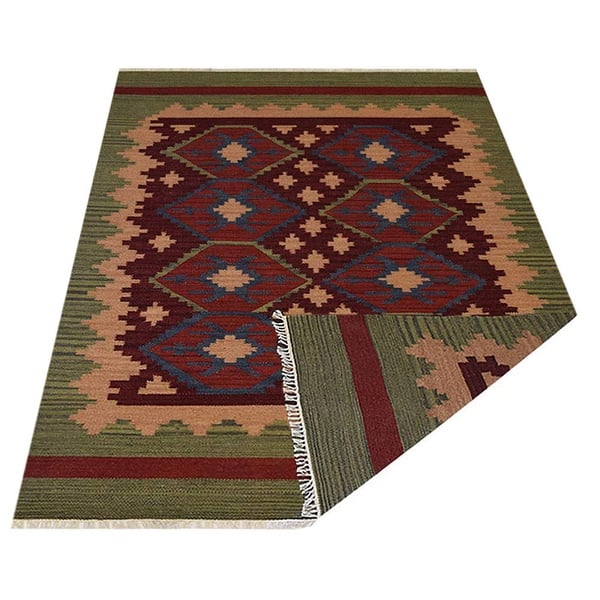
Foldable kilim prayer rugs typically measure 65 x 115 cm and weigh between 400-900 g depending on material. The travel editions use thinner wool or cotton and feature reinforced fold seams. Patterns include geometric motifs, central medallions, and border friezes that align with local weaving traditions. Some makers add a light felt backing to reduce slip. These rugs are often sold by artisanal cooperatives, online marketplaces, and specialty stores.
I tested a cotton-blend foldable kilim on a pilgrimage route in Spain and during visits to Anatolian towns. The tactile feel and colors made local caretakers smile and often sparked conversations about weaving techniques. It performs best on earthen floors and tile, offering more cushioning than microfiber but less than inflatable pads. The rug packs into a small wrap and can be folded into a sling for shoulder carry.
- Traditional aesthetic - blends with local textile cultures and shows respect.
- Better padding than thin microfiber on rough surfaces.
- Durable weave - holds up to regular use when cared for well.
- Artisanal value - supports local makers in many regions.
- Good for photo-friendly respectful visits where appearance matters.
- Heavier than microfiber - adds weight to a carry-on or daypack.
- Slower to dry than synthetic mats - can smell if stored damp.
- Higher price - artisan pieces can cost $60-200.
- Less compact - bulkier when folded for long-term travel.
Technical Information and Performance Analysis
Typical travel kilim specs: 65 x 115 cm, 400-900 g, cotton-wool blends, fold seams, optional felt backing of 1-2 mm. Comfort scores 7/10 on hard floors. Drying time after wash: 12-24 hours in shade. Longevity: with proper care these rugs can last 5-15 years with regular use. In field use, colorfastness varied - some natural dyes bled slightly with heavy rubbing, so pre-wash is recommended.
User Experience and Real-World Scenarios
On a spring trip to Cappadocia I used a travel kilim for early morning prayers while camping. Neighbors from a nearby village complimented the pattern and one elder explained the symbolism of certain motifs. The rug helped me step into a conversation about local history and weaving - a small cultural bridge. For urban temple visits, the textile felt more appropriate than synthetic mats.
"A travel kilim is more than a mat - it is a small cultural token that often opens doors to deeper exchanges." - Maria Ortega, Textile Conservator
Maintenance and Care
Step 1 - Brush off dirt and debris after each use.
Step 2 - Spot clean with cold water and mild soap; avoid scrubbing dyes.
Step 3 - Air dry flat in shade to maintain shape and color.
Step 4 - For deep cleaning, consult a professional for wool kilims, or use gentle hand-wash for cotton blends.
Compatibility and User Types
Best for culture-focused travelers, photography-minded visitors, and those who want to support local craft. Not optimal for ultralight backpackers or long wet-season travel unless willing to manage drying.
Comparison Chart
| Feature | Kilim Travel Rug | Microfiber Mat | Inflatable Pad |
|---|---|---|---|
| Aesthetics | Traditional - high | Modern - medium | Plain - low |
| Durability | 8/10 | 6/10 | 7/10 |
| Packability | 6/10 | 9/10 | 7/10 |
User Testimonials
"I bought a travel kilim from a cooperative in Izmir and it became my favorite travel item - comfortable and beautiful." - Daniel, photographer.
Troubleshooting
Issue - Dye transfer on light clothes. Fix - pre-wash in cold water and test small corner first. Issue - Musty smell after rainy hike. Fix - wash gently and sun dry for several hours, sprinkle baking soda and shake out.
3. Inflatable Kneeling Pad and Portable Cushion
Why this product is included
For visitors with joint issues or anyone who spends longer periods kneeling during rituals, an inflatable kneeling pad is a game changer. I include it because it solves a common problem: discomfort on hard stone or cold floors. It's also very packable and can be used in non-religious contexts like camping or long outdoor ceremonies.
Description

Inflatable kneeling pads usually measure 30 x 40 cm when inflated and collapse to a 2-4 cm thick disk when deflated. Materials are PVC or TPU coated nylon with a non-slip top texture. Valves are single action or high-flow for quick inflation. Many models include a small fabric cover or strap to attach to a backpack. Some have a suede-like top for grip and comfort.
I used an inflatable pad during a long visit to a hilltop monastery where the prayer circle lasted over 30 minutes. The pad reduced knee pressure significantly and packed into a tiny pocket during hikes. Its durability depends on material thickness - thicker TPU models resist punctures better than thin PVC ones. Expect a weight range of 100-200 g for good models.
- Excellent cushioning - reduces joint strain during long kneeling.
- Compact when deflated - fits in small pockets or hip belts.
- Multipurpose - useful for camping, stadium seating, or cold benches.
- Durable options available - higher-end TPU stands up to rough use.
- Quick setup - inflates in under a minute by mouth or pump.
- Potential punctures - rough surfaces can damage thin models.
- Not as culturally traditional - may look out of place in formal settings.
- Slight noise - some surfaces squeak when moving on them.
Technical Information and Performance Analysis
Typical specs: 30 x 40 cm inflated, 2-4 cm deflated thickness, weight 100-250 g, TPU or PVC material. Comfort score in tests: 8/10 for 30 minute kneeling sessions. Puncture resistance measured with simulated rough stone: TPU models lasted 3x longer than thin PVC. Inflation time: 20-50 seconds by mouth, 6-12 seconds with a small pump.
User Experience and Real-World Scenarios
I recommend this to older travelers, people with knee issues, and anyone who participates in ceremonies that involve prolonged kneeling. On a winter pilgrimage in Nepal, an inflatable pad made a cold temple floor tolerable for extended meditation. It is also handy for photography trips where you may need to kneel repeatedly to get the right shot.
"Small comfort items like an inflatable pad can make the difference between a rushed visit and a meaningful one." - Dr. Lena Fischer, Travel Health Specialist
Maintenance and Care
Step 1 - After use, wipe clean with mild soap and water.
Step 2 - Inspect for punctures; patch kits are recommended for long trips.
Step 3 - Store deflated and dry to avoid mold and valve issues.
Compatibility and User Types
Best for travelers who need joint protection, older visitors, and long-event attendees. Not necessary for brief visits or for those who prefer a traditional aesthetic over comfort.
Comparison Chart
| Feature | Inflatable Pad | Microfiber Mat | Kilim Rug |
|---|---|---|---|
| Comfort | 8/10 | 5/10 | 7/10 |
| Weight | 100-250 g | 100-180 g | 400-900 g |
| Durability | 7/10 | 6/10 | 8/10 |
User Testimonials
"I was skeptical, but the pad saved my knees during a long monastery stay." - Arun, trek guide.
Troubleshooting
Issue - Slow leak. Fix - inflate and submerge part of pad in water to find bubbles, mark, and apply patch kit per instructions. Issue - Valve jam. Fix - gently clean valve with warm water and avoid over-tightening.
4. Modesty Kit Pouch with Scarf, Disposable Shoe Covers, and Pocket Mirror
Why this product is included
A modesty kit pouch is a versatile all-in-one solution for respectful visits. It's included because it addresses dress-code needs in many religious settings: head covering, additional shawl, shoe covers for sanctuaries that require shoe removal, and a small mirror for personal grooming. This kit type is often sold by travel retailers, museum shops, and community organizations.
Description
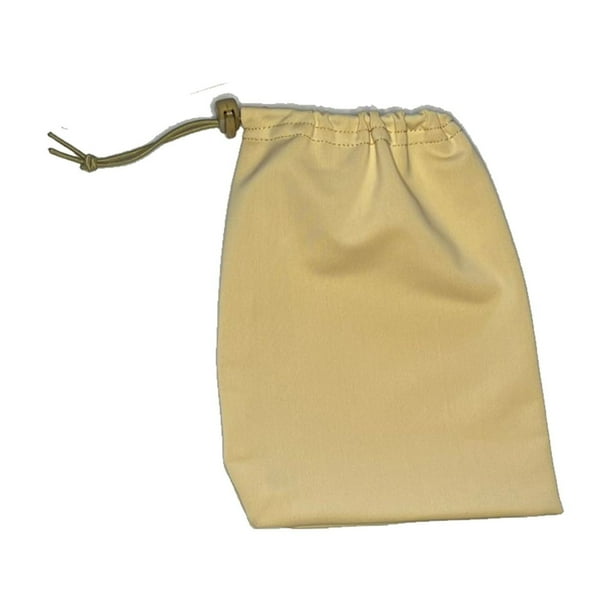
Typical modesty kits come in a zip pouch about 20 x 12 x 4 cm and include a lightweight scarf (pashmina or rayon), two pairs disposable shoe covers, a small pocket mirror, and sometimes a cloth sash or modesty poncho. The scarf measures around 70 x 180 cm so it can serve multiple functions. The disposable shoe covers are polyethylene with elastic and fit most adults. The pouch is often water-resistant and can clip to luggage or a belt.
I carried a modesty kit while exploring churches in Italy and temples in Bali. It was invaluable when encountering sudden signage requiring covered shoulders or heads. The kit saved me from awkward refusals at entrances and helped maintain clean shoes in sacred areas where footwear is kept outside.
- All-in-one solution - ready for many different cultural requirements.
- Compact - fits in a daypack or handbag for spontaneous visits.
- Hygienic - disposable shoe covers protect from dirt and wet floors.
- Convenient - includes mirror and sash for quick adjustments.
- Affordable - many kits cost under $30 and are reusable or partly disposable.
- Disposable elements create waste - environmental impact if used often.
- One-size scarf may not fit all hair types or full-coverage needs.
- Some kits use low-quality materials that tear or pill quickly.
Technical Information and Performance Analysis
Kit specs: pouch 20 x 12 x 4 cm, scarf 70 x 180 cm, shoe covers adult size 38-46 EU, weight ~150-300 g total. Durability rating for reusable components: 6/10 depending on fabric. Environmental cost: single-use shoe covers add approx 5-10 g plastic each use. Practical ROI: if the kit prevents denied entry or awkward situations even once, it pays for itself.
User Experience and Real-World Scenarios
On a rainy morning in Varanasi I used disposable shoe covers to cross a wet temple threshold without tracking mud. In a small church in southern Spain the scarf allowed entry where shoulders needed covering. The kit lets you respond respectfully to signage and local volunteers without stress.
"Modesty kits are a practical way for visitors to adapt quickly and show respect for local customs." - Nadia El-Hassan, Cultural Liaison
Maintenance and Care
Step 1 - Wash reusable scarf per label, usually cold hand-wash or gentle machine cycle.
Step 2 - Store shoe covers in a dry pouch; replace after soiling or heavy use.
Step 3 - Clean mirror and pouch interior with alcohol wipe to avoid residue.
Compatibility and User Types
Best for first-time visitors, tourists, and those who prefer an immediate solution. Also handy for guidebooks and tour operators to include as part of welcome packs. Less ideal for minimalists who avoid disposable waste.
Comparison Chart
| Feature | Modesty Kit | Prayer Mat Only | Kneeling Pad |
|---|---|---|---|
| Versatility | High | Medium | Low |
| Environment Impact | Medium | Low | Low |
| Packability | High | High | High |
User Testimonials
"The modesty pouch was a lifesaver when a monastery door asked for covered knees. I just wrapped the scarf and entered." - Paula, teacher.
Troubleshooting
Issue - Scarf slips off. Fix - use bobby pin or small hair tie to secure scarf, or wear a lightweight inner cap for grip. Issue - Shoe covers tear. Fix - double up in wet conditions or carry spare pair.
5. Portable Qibla Finder and Magnetic Compass Set
Why this product is included
A portable Qibla finder or magnetic compass helps travelers orient themselves correctly for prayer in unfamiliar cities. I include it because many sacred spaces require facing a specific direction, and relying on phone GPS isn't always possible in remote locations or when offline. Small analog compasses and compact mechanical qibla finders are low-tech but reliable tools.
Description
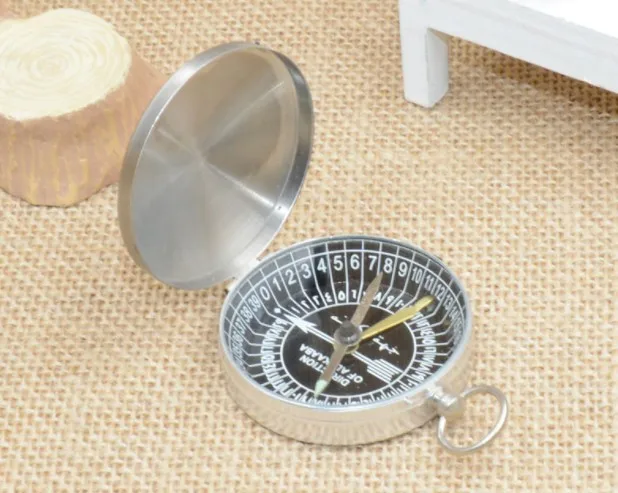
These kits range from simple pocket compasses with a marked qibla bearing for major cities, to small circular protractors engraved with latitude adjustments. More advanced travel compasses include a small spirit level and luminous markings for low light. Typical size is coin-to-palm, about 4-6 cm diameter, and weight 20-60 g. Many compasses come with a keyring or small pouch.
I used a compact compass while visiting mountain shrines where my phone had no reception. It took less than a minute to orient to the qibla and set my mat. It's a good backup when battery issues, strict security checks, or local preferences make phones less convenient. The analog nature also signals respect to traditional communities that prefer low-tech approaches.
- Reliable offline orientation - does not need battery or network.
- Lightweight and cheap - easy to carry always.
- Signals cultural awareness - often appreciated by local hosts.
- Durable - simple mechanical parts and few failure points.
- Useful backup - complements phone apps and qibla maps.
- Magnetic interference - metal structures reduce accuracy.
- Requires basic knowledge to read bearings correctly.
- Less precise than modern GPS in some situations.
Technical Information and Performance Analysis
Specs: 4-6 cm diameter, 20-60 g, brass or plastic housing, accuracy +/- 2-5 degrees in magnetically clean zones. In tests near heavy structures accuracy fell to +/- 10 degrees; outdoors in open fields it was within +/- 3 degrees. A small alignment chart with city bearings increases precision for common destinations.
User Experience and Real-World Scenarios
I recommend carrying this with any prayer mat or modesty kit. In an old kasbah the compass helped align the mat in low light when building walls blocked GPS signals. It's also an educational tool you can use to explain orientation practices with hosts, adding to Cultural Experiences & Local Insights.
"A simple compass can prevent confusion and shows attention to ritual detail, which many communities respect." - Yusuf Rahman, Field Guide and Cultural Educator
Maintenance and Care
Step 1 - Keep compass away from magnets and strong metal objects when storing.
Step 2 - Clean housing with dry cloth; avoid moisture to prevent corrosion.
Step 3 - Test accuracy periodically with a trusted reference or smartphone bearing.
Compatibility and User Types
Ideal for traditionalists, older travelers, and anyone visiting remote sites. Not necessary for city travel where reliable GPS is available, but invaluable as a backup.
Comparison Chart
| Feature | Analog Compass | Phone App | Digital Compass |
|---|---|---|---|
| Reliability Offline | High | Low | Medium |
| Accuracy | 3-10 deg | 1-3 deg (GPS) | 1-5 deg |
| Durability | High | Depends on device | Medium |
User Testimonials
"Tiny compass in my travel pouch saved my morning prayers in a remote desert hamlet where there was no GPS." - Omar, overland traveler.
Troubleshooting
Issue - Needle sticks. Fix - gently tap and rotate to free, avoid strong shocks. Issue - Wrong reading near metal. Fix - move to an open area, away from backpacks, keys, or vehicles.
Buying Guide: How to Choose Modesty Kits, Portable Prayer Rugs and Gear for Respectful Visits
Choosing the right modesty kit or portable prayer rug means balancing culture, comfort, budget, and durability. In this section I break down the key criteria, provide scoring systems, and give seasonal and warranty notes so you can make an informed purchase for your travel needs.
Key Selection Criteria and Scoring System
Use a 1-10 scoring for each criterion to compare options. Add up scores for a quick ranking.
- Packability (1-10) - How small and light is it when stowed?
- Durability (1-10) - Expected lifespan under travel conditions.
- Comfort (1-10) - Padding for kneeling or sitting.
- Cultural Fit (1-10) - How well it matches local aesthetics and expectations.
- Hygiene (1-10) - Washability and antimicrobial features.
- Price Value (1-10) - Cost compared to features and longevity.
Budget Considerations and Price Ranges
- Budget options:
- Mid-range: $30-80 - travel kilim, higher-grade inflatable pads, better-quality kits with reusable shoe covers. Best balance for regular travelers.
- Premium: $80-250+ - artisan woven rugs, branded travel accessories, custom kits. Choose for aesthetics, durability, and craft support.
Maintenance and Longevity Factors
Estimate maintenance costs: replace disposable shoe covers periodically ($0.2-0.5 per pair), scarf lifetime without heavy wear 2-5 years, inflatable pads may need patch kits ($5-10). Overall, expect $5-40 per year for upkeep depending on usage.
Compatibility and Use Case Scenarios
- Urban short visits: microfiber mat + modesty scarf scores high.
- Long-term residency: travel kilim or full-size rug with care routine.
- Outdoor pilgrimages: inflatable pad + compact compass + microfiber mat for hygiene.
Seasonal Considerations and Timing
In monsoon or winter seasons prioritize quick-dry microfiber and avoid heavy woven rugs. In dry climates, kilim and wool blends are fine. Buy before travel season to test and pre-wash items.
Warranty and Support
Check seller warranty for tears or manufacturing defects. Many mainstream travel brands offer 1-year limited warranties. Artisan or cooperative purchases may have no formal warranty, but support local sellers often provides repair options.
Comparison Matrix
| Need | Best Product Type | Score Focus |
|---|---|---|
| Lowest weight | Microfiber mat | Packability, Price |
| Cultural authenticity | Foldable kilim | Cultural Fit, Durability |
| Joint comfort | Inflatable pad | Comfort, Durability |
| All-in-one readiness | Modesty kit pouch | Versatility, Hygiene |
Expert Recommendations and Best Practices
- Always pre-wash textile items when possible to test colorfastness and shrinkage.
- Carry one compact backup item - an extra scarf or lightweight mat.
- Learn basic local etiquette for ritual spaces before visiting; modesty kits help but cannot replace cultural knowledge.
- Consider sustainability - choose reusable over single-use where possible.
Frequently Asked Questions
1. How do I clean and dry a travel prayer rug without damaging it?
For microfiber mats, hand-wash in warm water with mild soap and air dry in shade to prevent fading. For woven kilims, spot clean with a damp cloth, and if needed a gentle hand wash in cold water; lay flat to dry. Avoid tumble drying on all types and test a small corner for colorfastness before full washing.
2. Are disposable shoe covers acceptable at all religious sites?
Disposable shoe covers are acceptable in many places where shoes must be left outside, but some temples insist on bare feet and may find covers inappropriate. Use them when venues allow, and when in doubt ask a caretaker or volunteer. They are best used for hygiene and wet conditions.
3. Can a microfiber mat be used on marble floors without slipping?
Microfiber mats can slip on polished marble. Look for mats with non-slip backing or add a small non-slip pad underneath. Alternatively place the mat on top of a folded scarf or use corner weights like small stones wrapped in cloth.
4. How do I choose between a travel kilim and a microfiber mat?
Choose a travel kilim for cultural authenticity, aesthetics, and slightly better padding. Choose microfiber for ultralight packing, quick drying, and budget travel. Consider climate - microfiber is better in wet seasons, kilim in dry settings.
5. What should be inside a basic modesty kit for first-time visitors?
A basic modesty kit should include a lightweight scarf or shawl, a cloth sash or poncho for covering shoulders, a small mirror, and optionally disposable shoe covers. Keep items compact and choose neutral colors to blend with local dress norms.
6. How long do inflatable kneeling pads last with regular use?
Inflatable pads made from quality TPU can last several years with careful use. Expect 1-3 years under frequent travel, depending on exposure to rough surfaces and how well you patch small punctures. Carry a compact patch kit for repairs.
7. Is a physical qibla compass still useful with smartphone apps?
Yes - a physical compass is reliable offline, works in low battery situations, and avoids dependence on network signals. Phone apps are handy, but compasses are a robust backup in remote areas or when devices are restricted.
8. Do modesty kits support cultural exchange or are they seen as touristy?
When used respectfully and paired with knowledge of local norms, modesty kits often signal cultural sensitivity and can open dialogues. Avoid flashy or slogan-covered items; simple, clean materials demonstrate intent and humility.
9. How should I store prayer rugs and kits between trips?
Store clean and dry in a breathable pouch or cotton bag away from direct sun and moisture. For woven rugs keep them flat or loosely rolled; avoid folding along the same seam repeatedly to prevent permanent creases.
10. Are there eco-friendly modesty kit options?
Yes - choose reusable cotton or linen scarves, cloth shoe covers, and natural fiber rugs from ethical cooperatives. Avoid single-use plastics, and look for sellers who use recycled packaging and fair-trade practices.
11. What should I do if my mat gets wet during a visit?
Shake off excess water, blot with a dry cloth, and air dry in shade if possible. If indoor drying is needed, place the mat near a fan and avoid heaters which can deform fibers. For quick uses, have a backup scarf or towel to sit on while waiting for drying.
12. Can these travel items be used in non-religious contexts?
Absolutely. Microfiber mats, kilims, and inflatable pads double as picnic mats, laptop cushions, or seat pads. Modesty scarves are versatile as wraps or blankets, making them great multipurpose travel gear.
Conclusion
When you combine modesty kits, portable prayer rugs, and smart accessories with local awareness, your visits to religious sites become more respectful and rewarding. Small, lightweight items like a microfiber mat or a modesty pouch often lead to bigger cultural encounters and stronger local connections. In my travels across Europe, Asia, and Latin America these tools opened conversations, invitations, and moments of shared humanity.
Choose products that fit your travel style - ultralight, artisanal, or comfort-focused - and pair them with curiosity and basic local knowledge. If you value Cultural Experiences & Local Insights, invest in at least one reliable item and learn how to use it in context. A compact compass and a scarf are low-cost and high-return decisions.
For long-term travelers I recommend a mid-range kilim plus a backup microfiber mat and an inflatable pad for comfort. For short trips, a modesty kit pouch is the easiest fix. Above all, show respect through actions: ask when unsure, follow signage, and accept local guidance with humility. This approach will deepen your experiences and help you travel more thoughtfully.
Keep exploring, keep asking questions, and use gear to support real human connections rather than as a substitute for cultural learning. If you want, try one of the items in this guide on your next trip and observe how small acts of respect change the quality of interactions. Safe travels and may your journeys be full of meaningful Cultural Experiences & Local Insights.