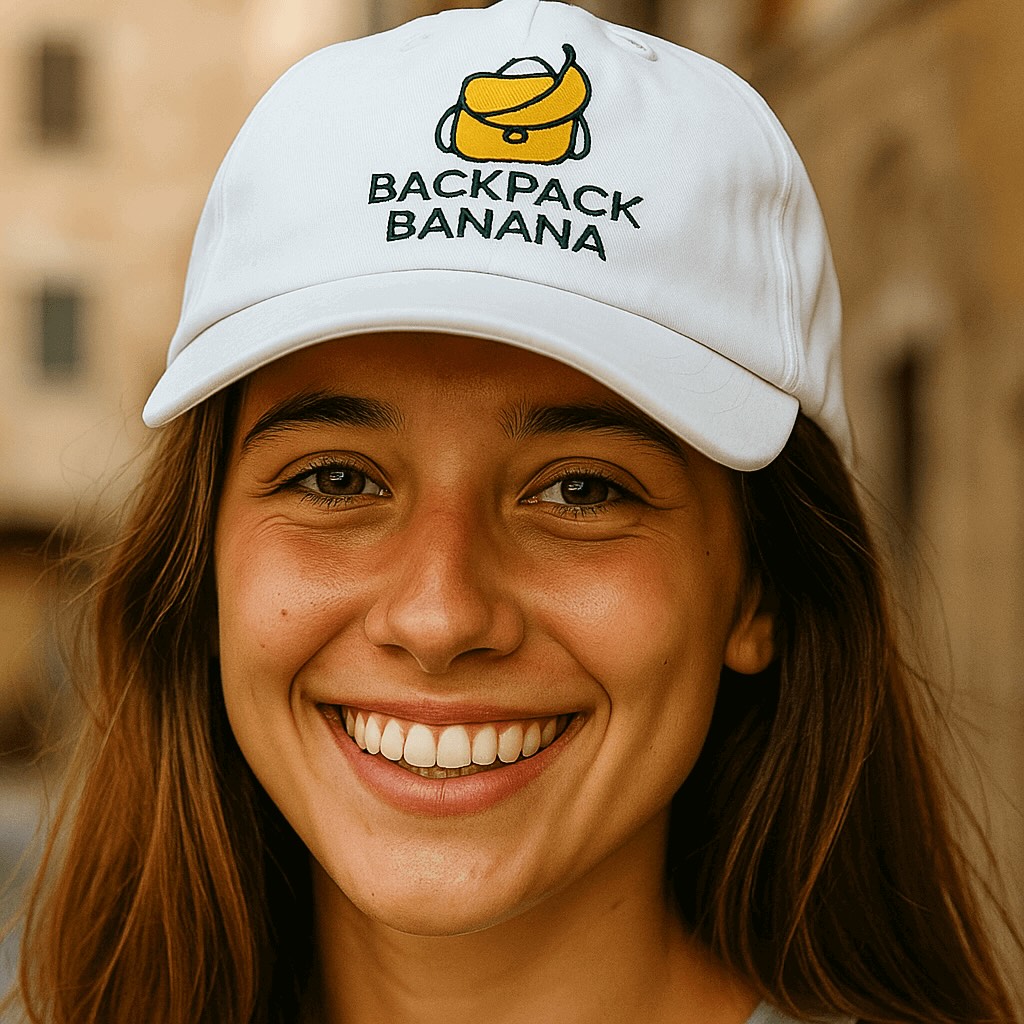
Hi, I’m Emma Calderon. I’ve crisscrossed over 40 countries on a shoestring, and I’m here to show you how “Budget & Money-Saving Tips” can turn a European trip into an affordable, unforgettable adventure-without living on instant noodles. In this guide, you’ll learn exactly what €30 a day can buy in 2026, where that budget stretches furthest, and the smart strategies that keep costs low while experiences stay high.
What €30 a Day Actually Buys in 2026
Let’s ground this in real numbers. €30 (about $33-$35 USD) per day is doable in many parts of Europe if you slow travel, cook sometimes, and pick your destinations and seasons smartly. Here’s a realistic daily split I often use:
- Accommodation: €10-15 (hostel dorm, camping, or volunteer exchange)
- Food: €10-12 (self-catered breakfast, cheap eats/lunch specials, simple dinner)
- Local transport: €2-4 (buses/metro, walking most of the day)
- Activities: €0-3 (free museum days, parks, walking tour tip)
- Buffer: €1-3 (city taxes, laundry every few days, small treats)
On a strict €30 budget, you’ll skip frequent paid attractions and high-speed trains, and you’ll lean on slow travel, regional buses, and lots of walking. Still, it’s comfortable, social, and filled with culture-if you know the tricks.

Where This Budget Works Best (and When)
Not all of Europe costs the same. Your “Budget & Money-Saving Tips” hit different in each region, and seasonality is everything.
Regions where €30/day is very realistic
- Balkans: Albania, North Macedonia, Bosnia & Herzegovina, Serbia-dorms €8-14, filling meals €4-8, intercity buses €6-15.
- Eastern/Central Europe: Poland, Romania, Bulgaria, Slovakia-dorms €10-16, lunch menus €6-10, metro/bus €1-2.50.
- Portugal (outside Lisbon/Porto/Algarve): dorms €12-18, bakeries from €2, regional buses €4-10.
Places where you’ll need extra strategy
- Big Western capitals: Paris, Amsterdam, London, Zurich-dorms €28-45, quick meals €9-15. Use volunteering, cooking, and off-peak stays.
- Nordics & Switzerland: stellar quality but pricey. Consider camping, house-sitting, or cooking every meal.
- Beach hotspots in July-August: plan shoulder seasons (April-June, Sept-Oct) for cheaper beds and emptier streets.
Rule of thumb: if a city is a cruise port or a bachelor-party magnet, costs spike on weekends and in summer. Travel midweek, visit shoulder season, and book flexible stays to keep your €30 alive.
Accommodation: €10-15/Day Without Sacrificing Sleep
Finding safe, clean beds on a budget is an art-and I’ve done the legwork. Mix strategies to average €10-15 per night across your trip.
Smart stays and realistic 2026 prices
- Hostel dorms: €10-16 in Eastern Europe; €15-22 in Portugal/Spain; €25-40 in Paris/Amsterdam. Look for free breakfast and kitchens.
- Camping: €6-12 per person at municipal sites in France/Spain/Italy; wild camping is legal or tolerated in limited areas-always check local laws.
- Volunteering (Workaway/Worldpackers): 15-25 hours/week for free bed and sometimes meals; platform fees apply, but you’ll average €3-5/day across a month.
- House-sitting: Free accommodation in exchange for pet/house care, best for slow travelers who can commit 1-4 weeks.
- Homestays/rooms: In smaller towns, private rooms from €18-30; share with a friend to cut costs in half.
Budget vs mid-range: A private ensuite in Western Europe runs €70-120 ($75-130). Dorms save 60-80%, plus you meet fellow travelers with fresh local tips.
Booking strategies that work
- Search hostel platforms, then message properties directly for cash or multi-night discounts (often 5-15%).
- Arrive Sunday-Wednesday; weekend surcharges are real. Extend stays for weekly rates.
- Check smaller towns one stop outside major hubs-€10 cheaper and a calmer vibe.
Transport: Move Smart, Not Fast
Transportation can blow a budget faster than a surprise gelato habit. Prioritize buses, regional trains, and night moves to stay near €30/day.
Intercity choices and typical 2026 prices
- Long-distance buses: €5-25 for 2-8 hours if booked early; night buses save a hostel night.
- Regional trains: €8-25 for 1-4 hours; slower but scenic and comfy. Watch for optional seat reservations (€3-10).
- Rideshare (e.g., BlaBlaCar): €10-30 for 150-500 km, great in France/Spain/Italy/Germany.
- Budget flights: €20-60 base fares within Europe, but baggage/seat fees add up. Pack light.
City transport and passes
- Single rides: €1-2.50 in Eastern Europe; €2.80-€4 in Western capitals. Day passes €4-10.
- Walk 10-15k steps/day; add bikes or e-scooters (€1 unlock + €0.15-0.25/min) for short hops.
Pro tip: Rome2Rio for route ideas, then confirm times and prices on the carrier’s own site/app. Book buses 1-3 weeks ahead for the best deals; trains 2-8 weeks if reservations are needed.
Food: Eat Well for €10-12/Day
Europe is a buffet of bakeries, markets, and street eats. With a few “Budget & Money-Saving Tips,” you can dine deliciously for pocket change.
Daily eating plan that works
- Breakfast: supermarket yogurt/fruit or bakery pastry + coffee €2-4.
- Lunch: “menu del dia” in Spain/Portugal €8-12, or hearty street eats €3-6 (burek in the Balkans, zapiekanka in Poland, kebab across Europe).
- Dinner: hostel kitchen pasta + veggies €3-5; or grab a picnic from discount supermarkets.
Water: Carry a refillable bottle; tap water is safe across most of Europe. Use public fountains in Italy, France, and Portugal to save €2-3/day.
Budget vs mid-range: A sit-down dinner with drink in Western Europe runs €18-30+ ($20-33). Do that once or twice a week, not daily, and you’ll stay on target.

Activities: Culture Without the Price Tag
Europe’s greatest hits-historic squares, cathedrals, viewpoints-are often free. Time your museum visits and leverage city offerings to keep costs low.
Free or cheap culture hits
- Free museum days: Many countries offer free entry on specific days (e.g., first Sunday). Plan accordingly.
- Walking tours: Tip-based; budget €3-7 if you join.
- City parks and viewpoints: Sunrise hikes, river walks, and sunset plazas are cost-free gems.
- Community events: Markets, local festivals, and open-air concerts in summer.
Skip broad city passes unless you’ll hit 3-4 paid attractions in one day. Otherwise, a targeted single-entry (€8-15) every few days balances the budget.
Essential Budget & Money-Saving Tips (That Actually Work)
These are my go-to moves to keep daily costs around €30 while maximizing experiences:
- Slow travel: Fewer jumps, longer stays. Weekly hostel rates and less transit add up to big savings.
- Cook twice a day: Breakfast + simple dinner; eat your main meal at lunch when deals are best.
- Free breakfast filter: When comparing hostels, factor the value of breakfast (€3-5 saved).
- Carry micro picnic gear: Spork, small container, and a light tote. Impromptu market meals beat pricey cafes.
- Use student/youth IDs: Many discounts apply under 26 or with ISIC cards.
- Night moves: Redeem a night bus or late train once or twice a week to stretch your budget.
- Cash vs card: Always decline “pay in USD” prompts-use local currency to avoid bad conversion rates.
- City taxes: Budget €1-3/night; they’re common and not always included in booking totals.
- Laundry math: Book a place with free washers once a week; laundromats can be €6-10 per load.
Tools, Apps, and Booking Strategies
Knowing which tools to trust saves time and money. Here’s my 2026 kit for smooth, affordable travel.
Accommodation and volunteering
- Hostel and budget hotel apps: Filter by kitchen, breakfast, and lockers; read latest reviews for cleanliness and safety.
- Work-trade platforms: Set alerts for roles that include meals; confirm weekly hours and rest days in writing.
- House-sitting apps: Build your profile with local sits first to earn reviews before bidding on Europe gigs.
Transport and navigation
- Route planners: Rome2Rio and Omio to compare bus/train; book direct with carriers for lowest fees.
- Bus networks: Check major operators plus local companies; smaller lines can be cheaper on short routes.
- Local transit: Citymapper or Moovit; download offline maps (Maps.me or Google Maps offline).
Money tools
- Multi-currency cards: Wise/Revolut-style cards for low exchange rates; avoid ATM dynamic conversion.
- Expense tracking: Use a simple daily log-if you don’t measure, you overspend.
- eSIMs: Regional plans €10-20 for 10GB/month keep you connected to deals on the road.
Booking rhythm: secure intercity buses 1-3 weeks in advance, major routes 3-6 weeks in summer; hostels 3-7 days ahead off-season, 2-4 weeks ahead in hotspots.
Sample Days Under €30 (Plus a Mid-Range Comparison)
Here are real-world examples that I’ve road-tested. Prices are 2026 estimates and may vary by city and season.
Portugal small town (e.g., Braga or Évora)
- Hostel dorm with breakfast: €14
- Coffee + pastel de nata: €2.50
- Regional bus to nearby village and back: €4
- Lunch menu (soup + main + drink): €9
- Evening market picnic: €3
- Total: €32.50 - Trim by cooking dinner to land at €29-30
Poland city day (e.g., Poznań or Wrocław)
- Hostel dorm: €12
- Bakery breakfast: €2.50
- Transit day ticket: €3
- Street food lunch (zapiekanka + drink): €5
- Free museum day + walking tour tip: €3
- Self-catered dinner: €4
- Total: €29.50
Balkans travel day (e.g., Skopje to Ohrid)
- Night bus (saves a hostel night): €12
- Bakery bites + coffee: €2
- Lakeside picnic from supermarket: €4
- Hostel dorm: €9
- Total: €27 - Carry over €3 for laundry or treats tomorrow
Mid-range day in Western capital (for comparison)
- Private room: €90 ($98)
- Sit-down lunch: €22 ($24)
- Attraction ticket: €18 ($20)
- Metro day pass: €9 ($10)
- Dinner + drink: €28 ($30)
- Total: €167 ($182)
See the gap? Lean on “Budget & Money-Saving Tips,” and you’ll keep those euros for the experiences that matter most to you.
Booking Flights to Europe on a Budget
Getting across the pond is the biggest single expense. Two techniques I use again and again:
- Fly to the cheapest hub, then hop: If Lisbon, Porto, Madrid, or Milan has a great fare, book it; add a €20-40 hop later.
- Flexible dates and airports: Shift departures to midweek, widen your radius (e.g., Boston vs NYC, Brussels vs Amsterdam), and set price alerts months ahead.
Pack to avoid fees: under-seat backpack only keeps budget airline fares truly cheap. Checked bags often double the ticket price.
Common Money Mistakes (and How to Avoid Them)
I’ve made them so you don’t have to. Watch out for these budget-killers:
- Paying in your home currency at ATMs or card terminals: always choose local currency to dodge bad exchange rates.
- Forgetting city/bed taxes: add €1-3 per person per night to your math.
- Over-optimizing with pricey city passes: only worth it if you’ll hit multiple paid sites daily.
- Impulse intercity moves: last-minute trains and flights can be 2-4x more; use buses or book earlier.
- Baggage fees on budget flights: confirm weight/size; weigh at the hostel before heading out.
- Data roaming charges: grab a local or regional eSIM; turn off background data for maps and socials.
- Airport taxis: use train/bus or vetted rideshares; airport taxis often add surcharges.
- Restaurant traps in tourist zones: walk 5-10 minutes away; check prices before sitting.
Long-Term Travel Affordability: Make the Math Love You
Traveling for a month or longer? Your “Budget & Money-Saving Tips” strategy should prioritize stability and routine.
- Choose bases: Spend 2-4 weeks in lower-cost hubs (e.g., Porto, Kraków, Tirana). Take day trips instead of constant relocations.
- Weekly/monthly rates: Negotiate directly-long stays can cut 15-40% off nightly prices.
- Volunteer or house-sit every third week: Zero accommodation costs reset your average spend.
- Cook in batches: Big pot of lentils or pasta sauce = multiple dinners for €1-2 per serving.
- Work days: Schedule admin/remote work days; travel less, spend less, earn more time.
This is how I consistently hit €25-32/day over months, not just on lucky days.
Safety, Etiquette, and Responsible Choices on a Budget
Frugal doesn’t mean careless. Respect for local culture and the environment protects your wallet and your welcome.
- Validate tickets: Some cities run frequent checks; fines are €50-100. Don’t risk it.
- Local etiquette: Modest clothing in churches, quiet evenings in residential areas, and learning “hello/thank you” go a long way.
- Refill, don’t rebuy: Minimize single-use plastics; tap water is widely drinkable.
- Support small: Markets, family-run eateries, and local tours enrich communities and are often better value.
FAQ: Budget & Money-Saving Tips for Europe in 2026
Is €30/day realistic in Western Europe?
Yes, but selectively. Base yourself in smaller towns, travel off-season, cook most meals, and use buses/regional trains. For big capitals, plan volunteering or house-sitting weeks to average down.
How much cash should I carry daily?
€20-40 is usually enough. Cards are widely accepted, but small bakeries, buses, or markets may prefer cash. Withdraw from bank ATMs and decline currency conversion prompts.
Do I need travel passes like Interrail to save money?
Not usually at this budget. Point-to-point buses and regional trains booked in advance are cheaper. Passes can be great for fast, frequent travel-but that clashes with slow-travel savings.
What’s a good emergency fund?
At least €300-500 ($325-550). It covers medical visits, last-minute transport, or replacing a phone. Keep a backup card separate from your main wallet.
Can dietary restrictions fit €30/day?
Yes. Self-cater main meals, use markets for fresh produce, and search for local budget-friendly spots that list ingredients clearly. Apps with dietary filters help you plan before you’re hangry.
How far in advance should I book accommodations?
Off-season: 3-7 days ahead is fine. Summer and holidays: 2-4 weeks. If you want specific hostels or private rooms on weekends, book earlier.
Final Takeaway
Traveling Europe for €30 a day isn’t a stunt-it’s a smart strategy built on slow travel, flexible plans, and sharp “Budget & Money-Saving Tips.” Prioritize regions where your money stretches, cook a few meals, ride more buses than bullet trains, and time your paid attractions. You’ll collect stories, not receipts.
If you’re ready, start with one region for two weeks, aim for dorms with kitchens, and line up one volunteer or house-sit. Your budget will breathe, and so will you. See you on the road-save me a spot at the next sunset lookout.