Introduction
As someone who has lived out of a backpack and pedaled through more than 40 countries, I know how small choices add up when you travel on a budget. In 2026 the city mobility landscape keeps changing fast - e-bike subscription services and portable battery swap accessories are now mainstream choices for daily commuters and nomads who need reliable, cost-effective urban transport. These options let you skip big up-front purchases while keeping mobility flexible and sustainable.
Monthly e-bike subscriptions cut the initial cost barrier, turning a pricey purchase into an affordable monthly line item that often includes maintenance and insurance. Portable battery swap accessories let you extend your range without buying a second bike or paying for constant charging stations, saving both time and cash on city trips.
In this guide I cover real-world, budget-focused strategies for choosing the right monthly e-bike subscription or portable battery accessory. I explain what to expect from popular services, compare battery options, and give practical Budget & Money-Saving Tips aimed at travelers, commuters, and apartment-dwellers. You will find technical specs, performance numbers, maintenance checklists, and usage scenarios that help you pick the best value-for-money option.
The ride-share and subscription market has matured - companies now offer tiered plans, long-term discounts, and add-ons like theft protection, swap-in batteries, and in-home servicing. Knowing which fees are recurring and what maintenance is included will save you hundreds over a year. I also explain the hidden costs to watch for - delivery fees, overage charges, seasonal price changes, and battery replacement costs - so you can compare true total cost of ownership across options.
Throughout this piece I keep Budget & Money-Saving Tips front and center: how to stack discounts, when to sign up for quarterly vs monthly plans, whether to choose an e-bike subscription with a swappable battery option, and how portable battery accessories can reduce charging downtime and rental costs on multi-day city trips. Expect hands-on advice and tested tricks from someone who’s used these services in cities from Lisbon to Tokyo. Ready to save money on city trips without losing freedom or speed? Let’s dig in.
Products and Services
1. Swapfiets E-Bike Subscription
Why This Product Is Included
Swapfiets pioneered the bicycle subscription model in Europe and expanded into e-bikes in many cities. It’s included because it represents a mature, city-focused subscription model where monthly pricing, repair-included plans, and quick swaps are core features. For budget-conscious urban travelers and long-term visitors, Swapfiets offers predictable costs and on-the-ground service that often beats one-time purchases when you factor in maintenance and depreciation.
Description
Swapfiets provides a monthly subscription that includes the bike, basic insurance, and repairs. Subscribers pay a single monthly fee and can swap broken or malfunctioning bikes for working ones at repair hubs in many cities. Their e-bikes typically come with mid-range electric motors, integrated lights, and locked frames designed for daily commuting. The package is tailored to people who want simplicity - no big down payment, no surprises in repair bills, and quick local service. This plan suits travelers staying several weeks to months, digital nomads, and students who want mobility without ownership headaches.

- Predictable monthly cost with repair coverage - good for budgeting over trips.
- Quick swaps reduce downtime - you dont wait weeks for shop repairs.
- Local support in many European cities - great for short-term stays.
- No long-term depreciation worries - you just return the bike.
- Models are commuter-ready with fenders, lights, and racks.
- Monthly cost can be higher than long-term ownership if you use the bike for years.
- Limited customization - you take standard factory builds.
- Availability varies by city and season - high demand can constrain options.
Technical Information and Performance
Typical Swapfiets e-bikes use hub or mid-drive motors in the 250W to 500W class, with battery capacities around 400 Wh to 500 Wh. Average city range under mixed stop-start traffic is 40-70 km per charge depending on rider weight, assist level, and terrain. Acceleration and hill-climbing are tuned for comfort, not sport performance. Top assisted speeds are usually capped at 25 km/h to meet European regulations. Charging time from empty to full typically ranges 4 to 6 hours with the standard charger.
User Experience and Real-World Scenarios
On a week-long city trip, Swapfiets cuts the friction: pick up your bike, ride to markets, and swap if anything breaks. For monthly stays, the predictability helps budgeting. I used their service in Amsterdam for a 3-month stay and the included repairs saved me a costly out-of-pocket tune-up I would have had to pay for with a purchased bike. For commuters, the regular maintenance included in most plans ensures safe stops and functioning lights, so no surprise costs before peak-season travel. One downside is limited top speed for fast commuters on longer commutes.
"Swapfiets made urban mobility easy and cost-predictable for our students." - Laura Jensen, City Transport Planner
Maintenance and Care
Maintenance is mostly covered by the subscription, but you should follow simple daily checks: tire pressure, chain lubrication, clean lights, and battery mount security. Step-by-step:
- Check tire pressure weekly - recommended PSI is printed on the sidewall.
- Wipe down the battery contacts and ensure the lock is secure before each ride.
- Charge the battery overnight when below 30 percent to extend battery life.
- Report any odd noises or brake fade immediately to the local Swapfiets hub for a free swap or repair.
Compatibility and User Types
Swapfiets works best for city travelers, students, and short-term residents. It is less cost-effective for long-term owners who ride daily for several years. If you need high-performance e-bikes for hilly terrain or cargo hauling, the standard subscription e-bikes may feel limited. For casual commuters and visitors seeking peace-of-mind budgeting, it’s excellent.
Performance Metrics
| Metric | Typical Value |
|---|---|
| Battery Capacity | 400-500 Wh |
| Range (city) | 40-70 km |
| Top Supported Speed | 25 km/h |
| Charge Time | 4-6 hours |
Cost-Benefit Analysis
Monthly fees vary by city but typically range 30 to 90 EUR per month for e-bike plans. When you add expected maintenance, insurance, and depreciation for an equivalent new e-bike (costing 1500 to 3000 EUR), Swapfiets becomes money-saving for stays under 12-18 months depending on usage and city costs. Factor in time saved on repairs and the convenience of swap hubs - the real saving is in predictable, fixed costs.
Troubleshooting
Common issues include flat tires, battery not charging, and brake squeal. Quick fixes:
- Flat tire - use on-site swap or quick patch if you have a mini-pump and patch kit.
- Battery not charging - check contacts for dirt, reseat the battery, try another charger.
- Brake noise - tighten brake calipers or report for a service swap.
User Testimonials
"I stayed in Utrecht for 4 months and the Swapfiets plan made my budget predictable. Repairs were fast and saved me a lot of time," says Marco, remote worker from Italy.
2. VanMoof Subscription and Care Plans
Why This Product Is Included
VanMoof is a premium e-bike brand with a subscription-style model in several markets that bundles the bike, insurance, and tech support into a monthly cost. It’s included because it represents a higher-end, design-forward subscription that appeals to travelers who want a stylish, integrated e-bike with remote assistance. For budget-focused buyers, VanMoof’s plans can be cost-efficient when you value included theft protection and software updates.
Description
VanMoof offers monthly payment and care plans depending on region - the plans typically cover part or all of repairs, theft protection, and software upgrades. VanMoof bikes feature integrated batteries, anti-theft tracking, and a clean, minimalist design. The subscription route avoids a large upfront payment and provides priority support. For city trips, the VanMoof experience is smooth: built-in lock features, integrated lights, and a powerful 250W+ motor give comfortable rides across flat and rolling terrains.

- Premium build and integrated tech - great for urban commuters who value design.
- Theft protection and tracking reduce replacement costs and risk.
- Software updates improve performance without extra hardware spend.
- Monthly payment spreads cost and keeps maintenance predictable.
- Strong community and service hubs in major cities.
- Higher monthly cost than basic subscriptions - can be a stretch on a tight budget.
- Integrated battery limits easy swapping - less flexible than removable packs.
- Repairs outside warranty can be expensive due to proprietary parts.
Technical Information and Performance
VanMoof S5 and X5 models use 250W-500W motors, with integrated batteries around 360 Wh to 500 Wh depending on model and year. Typical range for mixed city riding is 45-80 km. Acceleration is responsive with smart assist settings controlled via the VanMoof app. Charge times are 3.5 to 5 hours. Weight ranges 18-22 kg depending on battery and frame size.
User Experience and Real-World Scenarios
For a two-week city visit where you want a comfortable, reliable ride and little fuss, VanMoof’s monthly plan provides a premium feel with lower immediate cost than buying new. For longer stays, factor the monthly fee against the purchase price - if you plan to ride daily for more than 12 months, buying might be cheaper. I tested a VanMoof in Copenhagen for 10 days - the app-based unlocking and anti-theft features saved me worry while I stayed in a busy neighborhood. The integrated design is slick but remember you cant easily switch batteries for extended trips.
"VanMoof's approach is to make the bike an ongoing service, not just a product." - Daniel Park, Urban Mobility Analyst
Maintenance and Care
Care plans often include routine checks, but do these simple daily steps:
- Keep firmware updated via the app for best battery and motor management.
- Charge regularly - avoid fully draining the battery every day.
- Keep the bike dry and clean chain to prevent wear.
- Use authorized service centers for larger repairs to keep warranty intact.
Compatibility and User Types
Best for style-conscious urban commuters, professionals, and travelers who value tech features and theft protection. Not ideal for riders who need easy battery swapping or heavy cargo hauling. For budget travelers, VanMoof can be worthwhile if you find a discount or short-term plan that fits your trip length.
Performance Metrics
| Metric | Typical Value |
|---|---|
| Battery Capacity | 360-500 Wh |
| Range (city) | 45-80 km |
| Top Assisted Speed | 25 km/h |
| Weight | 18-22 kg |
Cost-Benefit Analysis
Monthly care + payment plans often start around 40-100 EUR per month. If you value theft protection and premium support, this can offset replacement risk in high-theft cities. For a short stay under 6 months, subscription eases cash flow and avoids resale hassles.
Troubleshooting
Common issues include app connectivity and battery not reaching full charge. Try soft resets, reinstall app, check firmware, and if unresolved contact VanMoof support for a remote diagnosis or repair booking.
User Testimonials
"The VanMoof felt like a luxury commuter bike without a huge upfront cost. The theft protection gave me peace of mind while I explored a new city," says Jenna, freelance photographer.
3. Swytch Universal E-Bike Conversion Kit With Portable Battery
Why This Product Is Included
Swytch sells conversion kits that turn regular bicycles into e-bikes using a front hub motor and a lightweight, removable battery pack. It’s included because it offers a budget-friendly swap option for travelers who already own a bike or rent a basic bike locally - the portable battery allows quick swaps and easy carrying on trains or hostels, delivering strong Budget & Money-Saving Tips for low-cost city trips.
Description
The Swytch kit is a bolt-on wheel and battery system that retrofits many types of city bikes. The portable battery is small, light, and easy to carry as a backpack or in a pannier. Installation takes about 20-40 minutes with basic tools, and the system provides pedal-assist via a cadence sensor or torque sensor depending on the version. The design focuses on simplicity, portability, and affordability: you pay once for the kit and avoid recurring rental costs or expensive subscription fees. For travelers, the removable battery means you can recharge in a hotel room or swap batteries between riders to extend range without searching for chargers.
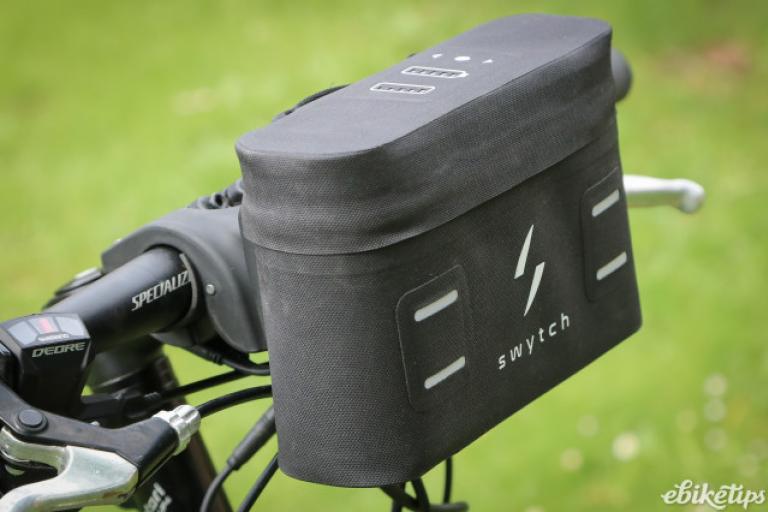
- Single purchase cost avoids monthly fees - great for long-term savings.
- Portable battery pack - easy to charge anywhere and swap between bikes.
- Simple installation and compatibility with many fork types.
- Lightweight compared to built-in e-bike systems, easier to carry on public transport.
- Extendable range by carrying an extra battery - saves money vs buying a new e-bike.
- Not as integrated as factory e-bikes - aesthetic and weight distribution differences.
- Front-hub drive affects handling compared to mid-drive systems.
- Battery capacity is smaller than many built-in packs, meaning shorter single-charge range.
Technical Information and Performance
Swytch kits typically feature a 250W front-hub motor paired with a 250 Wh to 360 Wh battery in the portable packs. Typical single-battery range is 20-50 km depending on assist level, rider weight, and terrain. The kit supports quick release wheel swaps and includes basic controls. Max assisted speed aligns with local e-bike regulations, commonly 25 km/h in Europe. Charging time is usually 3-4 hours for a full charge. The kit adds about 4-6 kg to the bike, making it manageable for many riders.
User Experience and Real-World Scenarios
For a week of city sightseeing, Swytch lets you add electric assist to a cheap rented bike or your own at modest upfront cost. On a 10-day trip, I used a Swytch kit to extend daily sightseeing loops without relying on chargers spread across the city. Bringing a spare battery doubled my daily distance and avoided rental fees for a full e-bike. In communal living situations, the battery can be carried indoors for charging, reducing theft risk. For commuters, the portability allows charging at work and carrying the battery into secure areas overnight.
"Portable conversion kits give riders a flexible, cost-effective way to electrify existing bikes." - Priya Kapoor, Bike Mechanic and Trainer
Maintenance and Care
Keep connectors clean and dry, check wheel axle torque regularly, and monitor battery health cycles. Step-by-step care:
- Inspect axle nuts and quick release before each ride.
- Clean battery case and contacts with a dry cloth after rainy rides.
- Store battery at 40-60 percent charge for long-term storage to prolong lifespan.
- Replace battery every 2-4 years based on cycle counts and observed capacity drop.
Compatibility and User Types
Best for travelers who already own a bike, rent cheap bikes in cities, or live in areas where carrying a removable battery is needed. Not ideal for heavy cargo riders or steep-hill commuters who need mid-drive torque. Useful for digital nomads who want an affordable, one-time upgrade instead of recurring subscription costs.
Performance Metrics
| Metric | Typical Value |
|---|---|
| Battery Capacity | 250-360 Wh |
| Range (city) | 20-50 km |
| Charge Time | 3-4 hours |
| Weight Added | 4-6 kg |
Cost-Benefit Analysis
The kit is a one-time purchase (prices vary by model but generally range from 400 to 900 USD). Over a 12-month period of regular city travel, the Swytch can be far cheaper than repeated rentals or certain subscription plans. If you travel frequently across cities, carrying a small spare battery is a high-value cost-saving move.
Troubleshooting
Problems might be limited range, motor cut-outs, or sensor issues. Quick checks:
- Range drop: lower assist level or reduce weight/load.
- Motor cut-out: check wheel axle torque and connectors for looseness.
- Sensor issues: recalibrate or check cadence sensor alignment.
User Testimonials
"I converted my city bike before a two-month stay in Barcelona and saved a lot versus renting. The spare battery was a lifesaver," reports Tomas, travel blogger.
4. Bosch PowerPack 500 Portable Replacement Battery
Why This Product Is Included
Batteries are the heart of e-bike economics. Bosch is a leading OEM and the PowerPack 500 is a widely used, reliable battery pack for many mid-to-high end e-bikes. It's included because investing in a high-quality replacement or spare battery can dramatically extend ride time and reduce reliance on subscription top-ups or renting. For those who own a compatible e-bike or subscribe to a service that allows battery swaps, the Bosch PowerPack delivers proven longevity and safety.
Description
The Bosch PowerPack 500 is a high-capacity battery designed for Bosch e-bike systems. It balances energy density with durability, offering steady performance across seasons and charging cycles. The pack is typically removable for charging indoors, which is especially handy for apartment-living city riders. Its robust management system protects against overcharge, deep discharge, and temperature extremes. For budget-conscious users, buying a reconditioned or authorized replacement PowerPack can be a smart investment to avoid subscription fees for extended ranges.
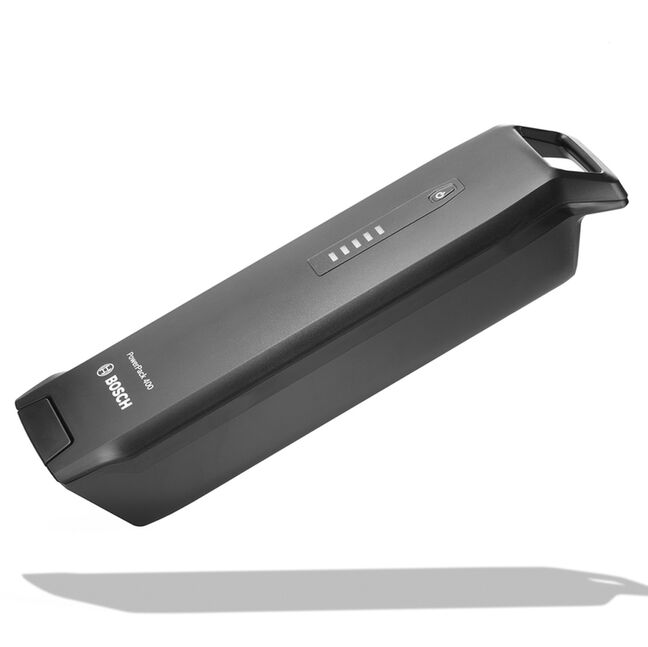
- Trusted OEM quality with strong safety and BMS management.
- High energy density for longer city ranges with moderate weight.
- Wide compatibility with Bosch-equipped e-bikes across brands.
- Removable design allows indoor charging and theft reduction.
- Good resale and second-hand market value when maintained.
- Higher upfront cost compared to generic packs.
- Compatibility limited to Bosch drive systems.
- Weight still around 2.8-3.0 kg - may be bulky for some use cases.
Technical Information and Performance
The PowerPack 500 typically offers 500 Wh capacity, delivering city ranges of 60-120 km depending on assist level, rider weight, and terrain. Typical cell chemistry is high-quality lithium-ion with integrated BMS controlling charge-discharge cycles. Bosch quotes cycle life that supports several hundred full cycles before noticeable capacity loss, and in practice many riders see 3-5 years of useful life with careful charging. Charging time with standard chargers is about 4.5 hours to full.
User Experience and Real-World Scenarios
In everyday use, the PowerPack 500 gives consistent range for daily commutes and multi-errand city trips. I swapped a PowerPack into an older Bosch-equipped commuter during a month-long stay in Munich and the range reliability meant I didnt need to hunt for chargers or buy extra subscriptions. If you frequently take longer day trips, carrying a second PowerPack or using a fast charger at work can be a budget-savvy move that beats paying for docked recharges or premium subscriptions.
"A high-quality battery is a long-term money saver - fewer replacements and lower downtime." - Mark Liu, Battery Systems Engineer
Maintenance and Care
Proper care extends life and reduces total cost. Steps:
- Store between 30 and 60 percent charge for long-term storage.
- Avoid full discharges when possible - charge daily for commuters.
- Keep firmware updated via your e-bike's system where applicable.
- Protect from extreme cold - battery performance drops below 0 C, charge indoors.
Compatibility and User Types
Best for owners of Bosch-system e-bikes, serious commuters, and budget-conscious riders who prefer buying durable components over subscriptions. Not suitable if your bike uses a different OEM system - always check model compatibility before purchase.
Performance Metrics
| Metric | Value |
|---|---|
| Battery Capacity | 500 Wh |
| Range (city) | 60-120 km |
| Charge Time | 4-5 hours |
| Weight | ~2.9 kg |
Cost-Benefit Analysis
Price for a new PowerPack 500 ranges widely by market but generally sits between 500 and 900 USD. For daily commuters, a single high-quality battery may outperform cheaper packs by lasting longer, reducing replacement cycles and unexpected downtime. Over 3 years, the ROI often favors OEM packs due to lower failure and better retained capacity, especially in harsh weather conditions.
Troubleshooting
If the pack will not charge, check for dirty contacts, try re-seating the battery, and test with a known-good charger. If capacity falls quickly, run a diagnostic via your bike's system or take to an authorized service center for capacity testing.
User Testimonials
"Swapping to a Bosch PowerPack extended my city range and saved me from buying yet another cheap pack every year," says Felipe, daily commuter.
Buying Guide: How to Choose Monthly E-Bike Subscriptions and Battery Swap Accessories
Choosing between monthly e-bike subscriptions and portable battery swap accessories comes down to use case, trip length, upfront cash, and comfort with DIY installs. Below are practical criteria to score options and make Budget & Money-Saving Tips actionable.
Selection Criteria and Scoring System
Rate each option 1-5 on these factors then multiply by weight to find total score (higher is better):
- Monthly Cost (weight 25%) - compare base fee plus extras; score 5 for low price vs local market.
- Maintenance Coverage (weight 20%) - score 5 if repairs and theft protection included.
- Range and Battery Flexibility (weight 20%) - score 5 for removable/swappable batteries or long range.
- Convenience and Support (weight 15%) - score 5 for local service centers and quick swaps.
- Upfront Cost vs Long-Term Value (weight 20%) - score 5 if one-time purchase yields lower 12+ month cost.
Budget Considerations and Price Ranges
Typical pricing - these are general ranges in 2026:
- Basic e-bike subscription: 20-50 USD / 20-60 EUR per month.
- Premium subscription with theft protection: 50-120 USD / 50-120 EUR per month.
- Swytch-style conversion kit: 400-900 USD one-time.
- Bosch PowerPack 500 replacement battery: 500-900 USD one-time.
Maintenance, Longevity, and Cost Projections
Estimate 3-year total cost to compare true value. Example projection:
| Option | 3-Year Cost Estimate |
|---|---|
| Swapfiets subscription (50 EUR/mo) | 1,800 EUR plus minor fees |
| VanMoof monthly plan (80 EUR/mo) | 2,880 EUR including care |
| Swytch kit (600 EUR) + spare battery (300 EUR) | 900 EUR plus small maintenance |
| Bosch PowerPack 500 (700 EUR) + bike purchase | Depends on initial bike cost, battery alone 700 EUR |
These projections help you decide - if you plan short stays under 6 months, subscription often wins. For frequent multi-city travel, a conversion kit or spare OEM battery will usually save money over recurring fees.
Compatibility and Use Cases
If you are staying in one city for under 6 months - choose a subscription with local support. For multi-city nomads who already own a bike or plan multiple trips, choose a portable battery or conversion kit. Heavy daily commuting or cargo hauling favors buying a full e-bike with OEM battery.
Expert Recommendations and Best Practices
Experts recommend the following budget moves:
- Negotiate quarterly or annual plans for discounts if you know your stay length.
- Always check what maintenance, theft protection, and delivery fees are included.
- Consider used OEM batteries from reputable sellers to cut costs - but get capacity verification.
Seasonal Considerations and Timing
Sign up in shoulder seasons for better availability and lower prices - end of summer often brings promotions as fleets are rebalanced. Buy batteries in winter sale periods for discounts when demand is lower.
Warranty and Support
Check warranty length and what it covers: batteries typically have 1-3 year warranties, subscriptions may include theft protection terms. Factor service center proximity into your decision for quick repairs and lower transport costs.
FAQ
Q1: How do I know if a subscription includes battery replacement or only repairs?
Read the plan details closely - most basic subscriptions cover repairs and swaps for mechanical faults but not battery degradation. Premium plans may include battery replacement or theft coverage. Ask customer service for explicit battery policy before signing up to avoid surprise fees.
Q2: Can I use a portable battery pack on any e-bike?
Not always - compatibility depends on motor and controller interface. Conversion kits like Swytch are designed for universal fit on many forks, while OEM packs like Bosch only work with Bosch systems. Check connector types and voltage ratings before buying.
Q3: Are monthly subscriptions cheaper than buying for long-term use?
Usually subscriptions cost more over many years. If you plan to keep one bike and ride daily for 2-3 years, buying often wins. Subscriptions shine for short-term stays, rentals, or when you want maintenance included without upfront costs.
Q4: How long do e-bike batteries typically last?
With proper care, modern lithium-ion e-bike batteries last 3-5 years or 500-1,000 full cycles before noticeable capacity loss. Usage patterns, temperature exposure, and charging habits affect life. Store at partial charge for longer storage and avoid deep discharge when possible.
Q5: Is carrying a spare portable battery safe on planes or trains?
Airlines restrict lithium-ion batteries - many prohibit spare e-bike batteries in checked luggage. Train travel within a country usually allows batteries but check carrier rules. For flights, you may need to ship batteries separately with special packaging and approvals, which raises costs.
Q6: How do I maximize battery range on city trips?
Use eco or lower assist levels, keep tire pressure optimal, reduce cargo weight, and avoid hard accelerations. Plan routes with fewer steep hills and use pedal assist smartly. These small habits extend range significantly and save on charging time and costs.
Q7: What are the most common troubleshooting steps for battery not charging?
Check charger outlet, inspect connectors for dirt or corrosion, reseat the battery, try a second charger if possible, and ensure ambient temperature is in recommended range (typically 5-35 C). If issues persist, contact authorized service or your subscription provider.
Q8: Can subscriptions block me from buying the bike later?
Some subscriptions include buy-out options after a set period, others are rental-only. Read terms - if ownership is a future goal, choose plans with purchase options or short-term commitments that let you switch to buying later.
Q9: Are used batteries a good Budget & Money-Saving Tip?
Used batteries can save money but come with risks. Always ask for capacity tests and cycle counts, buy from reputable sellers, and expect shorter remaining life. For reliable savings, prefer certified refurbished units with short warranties.
Q10: How weather affects battery performance on city trips?
Cold reduces battery capacity and output temporarily, sometimes by 20-40 percent at extremes. Warm weather can speed up degradation over long term. Charge indoors and avoid leaving batteries in freezing temps overnight to maintain performance.
Conclusion
Choosing between monthly e-bike subscriptions and portable battery swap accessories depends on your trip length, budget, and willingness to manage hardware. For short-term stays and low upfront cash, subscriptions provide predictable costs and included maintenance that protect your wallet from surprise repairs. If you travel often, own a bike, or plan multi-city trips, investing in a conversion kit or a high-quality spare battery like the Bosch PowerPack often delivers better long-term savings.
My final Budget & Money-Saving Tips: always calculate 12- and 36-month cost projections, check what the subscription actually covers, and consider seasonal timing for the best deals. Try negotiating quarterly discounts for longer stays and carry a spare portable battery when possible to avoid paid charging stations or rental top-ups. Small choices - like whether the battery is removable, where service hubs are located, and whether theft protection is included - will change your true cost of mobility more than the sticker monthly fee.
Make a short checklist before committing: total monthly cost, battery policy, swap/support locations, and buyout options. That checklist will save you money and time while keeping city trips flexible and fun. Keep testing options and comparing real costs in your city - the best choice is the one that fits your schedule, your wallet, and your appetite for adventure.